Best VFD Drives for Motors Which One to Choose?
In today's industrial landscape, the choice of a Vfd Drive For Motors is crucial. Variable Frequency Drives (VFDs) enhance motor efficiency and control. The global VFD market is expected to reach $27.8 billion by 2025, according to a 2021 ReportLinker analysis. This growth reflects the increasing demand for energy-efficient solutions.
Selecting the right VFD for motor applications can be challenging. Many factors influence the decision, including motor type, load conditions, and budget constraints. Inappropriate choices can lead to performance issues. For instance, an incorrect VFD can result in overheating, leading to costly repairs.
Experts suggest evaluating technical specifications before purchasing. Understanding your specific application needs is vital. They recommend consulting reliable sources and reviewing case studies related to similar motor applications. This careful consideration can help mitigate potential risks and ensure optimal performance in various settings.
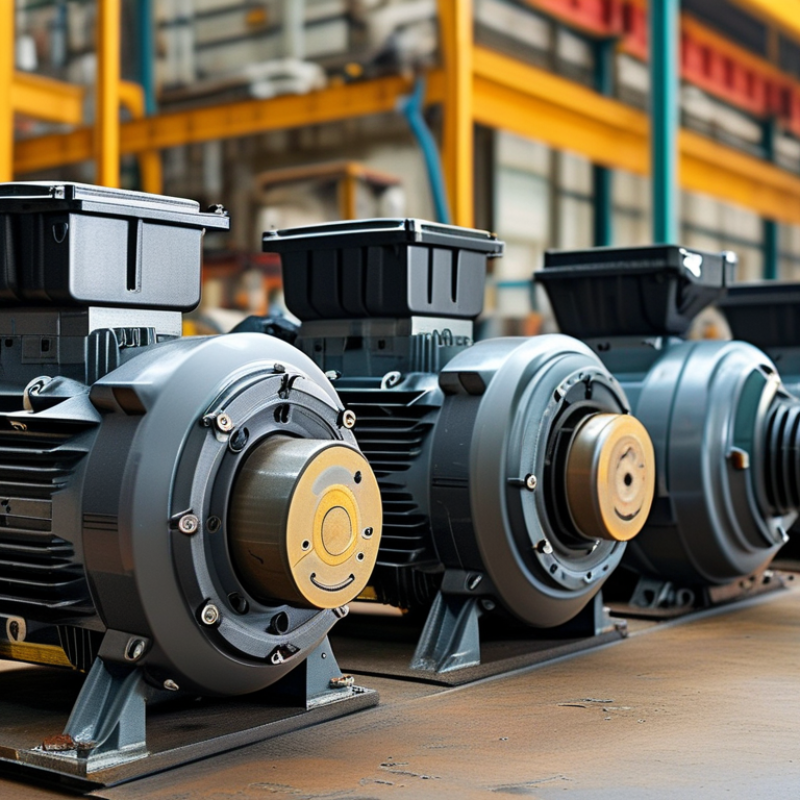
Understanding VFD Drives and Their Importance in Motor Control
Variable Frequency Drives (VFDs) are essential for motor control in various applications. These devices adjust the motor speed and torque by varying the frequency and voltage supplied. By doing so, they enhance energy efficiency and extend the lifespan of motors. Engineers often prefer VFDs for their ability to provide precise control. This control leads to better performance in industrial processes.
Understanding how VFDs work is crucial. They utilize feedback mechanisms to adjust operating conditions in real-time. When motors operate with a constant speed, energy waste may occur. VFDs prevent this inefficiency. Moreover, installing a VFD can lead to cost savings over time. However, they can also introduce complexity into system designs.
Choosing the right VFD requires careful consideration. Factors like application type, motor size, and load characteristics play a role. Not every VFD suits every application. Misalignment between a VFD and motor can result in poor performance. Therefore, an in-depth understanding of both the drive and the motor capabilities is vital. This exploration fosters informed decision-making in selecting the best VFD for specific needs.
Types of VFD Drives: Choosing the Right One for Your Application
When selecting a Variable Frequency Drive (VFD), it is essential to consider the application. Different types of VFDs serve various needs. For instance, some are ideal for constant torque applications, such as conveyors. Others excel in variable torque settings, like fans and pumps. Understanding these distinctions helps in making informed decisions.
Another key factor is the drive's control method. Sensorless vector control provides good performance for general applications. On the other hand, closed-loop control offers better accuracy for tasks requiring precision. It can be challenging to choose between them without a clear understanding of your requirements. Sometimes, it may feel overwhelming to navigate these options.
Lastly, pay attention to the motor compatibility. Some VFDs work well with specific motor types, while others do not. This can lead to inefficiencies or even damage if not carefully considered. Assessing the environment in which the VFD will operate is equally crucial. Factors such as temperature and humidity significantly impact performance. Making the right choice requires careful reflection and analysis of all these elements.
Key Features to Consider When Selecting VFD Drives for Motors
When selecting Variable Frequency Drives (VFD) for motors, several key features demand attention. Power rating is crucial. It determines how much load a VFD can handle. Choose a drive with a rating that exceeds your motor's requirements. An undersized VFD may overheat or fail, risking equipment damage.
Control modes also play a significant role. VFDs can offer open-loop or closed-loop control. Open-loop is simpler and cheaper, but closed-loop provides better performance in variable load conditions. Evaluate your application needs. Additionally, consider the drive's user interface. An intuitive interface can simplify adjustments and reduce training time for operators.
Lastly, efficiency should not be overlooked. Look for VFDs with high energy efficiency ratings. They can lower operational costs over time. However, efficiency often comes with a higher upfront cost. Balancing initial investment with long-term savings can be challenging. Understanding your operations and future needs helps in making an informed decision.
Best VFD Drives for Motors
Top Brands of VFD Drives: A Comparative Analysis
When selecting Variable Frequency Drives (VFDs) for motors, understanding the top brands helps in making an informed decision. Industry data indicates that VFDs can improve energy efficiency by up to 50%. This efficiency directly impacts operational costs, making it critical to choose wisely. Companies should look towards brands that offer reliability and efficiency in real-world applications, backed by user reviews and performance reports.
Comparing the features among leading VFD brands reveals varying strengths. Some excel in ease of integration, while others focus on energy savings. A study by a recognized industry group reports that brands with robust customer support often lead in user satisfaction. Reading through consumer feedback can provide insight into common issues, such as programming complexities or failure rates during peak loads.
Tip: Assess the environment where the VFD will operate. VFDs may not perform well in extreme conditions without proper safeguards.
Another important aspect is the degree of customization available. Some VFDs come with built-in functionalities, reducing the need for additional modules. Data from a global market study shows that VFDs with integrated features have become increasingly popular, facilitating more straightforward installations.
Tip: Always confirm warranty and service options before the final purchase. A strong warranty can save unexpected costs later on.
Best VFD Drives for Motors - Comparative Analysis
| Drive Type | Power Range (kW) | Input Voltage (V) | Control Method | Efficiency (%) | Features |
| Vector Control | 0.75 - 18.5 | 230/400 | Sensorless Vector Control | 95 | Compact design, built-in filters |
| PWM Control | 0.5 - 22 | 230/480 | V/F Control | 92 | User-friendly interface, adjustable parameters |
| Servo Drive | 0.3 - 15 | 230/400 | Closed-loop Control | 98 | High precision, reliability in dynamic applications |
| Regenerative Drive | 1.5 - 30 | 400 | Vector Control | 96 | Energy recycling, advanced safety features |
Installation and Maintenance Tips for Optimal VFD Performance
When it comes to VFDs, installation and maintenance are crucial for achieving optimal performance. To begin with, ensure proper alignment during installation. Misalignment can lead to increased wear and potential failures. Additionally, securing all connections tightly will help prevent electrical shorts or signal loss.
Regular maintenance is essential for longevity. Schedule routine inspections to check for dust build-up or corrosion. Dust can hinder cooling, while corrosion may impact electrical connections. Cleaning the VFD unit is a simple task yet often overlooked. Also, reviewing the firmware regularly is vital. Software updates can enhance efficiency and provide critical safety improvements.
Monitoring operating conditions also plays a key role. Keep an eye on temperature fluctuations and load changes. These factors directly affect performance levels. If a significant deviation occurs, recalibrating parameters may be necessary. Some operators neglect this step, leading to inefficient operation. Regularly assess the system not just for performance, but for overall health. This proactive approach helps in preventing unexpected failures, ensuring reliability in the long run.