2026 Best Slotted Bolt Options for Global Buyers?
In the realm of fasteners, the "SLOTTED BOLT" stands out as a crucial component for various applications. Experts like John Smith, a renowned engineer specializing in mechanical fasteners, emphasize its importance. He once stated, "The reliability of slotted bolts in heavy-duty applications cannot be overstated." This highlights the growing interest among global buyers in seeking the best options available.
2026 will witness significant advancements in slotted bolt designs and materials. Manufacturers are innovating to enhance strength and durability. The new trends showcase improved coatings which resist corrosion. As buyers explore these options, the focus on quality and performance becomes essential.
However, the market also faces challenges. Inconsistent quality from some suppliers can lead to reliability issues. Buyers should be cautious. They must research and choose reputable brands. Balancing cost and quality will be key to successful purchasing decisions in the slotted bolt industry.
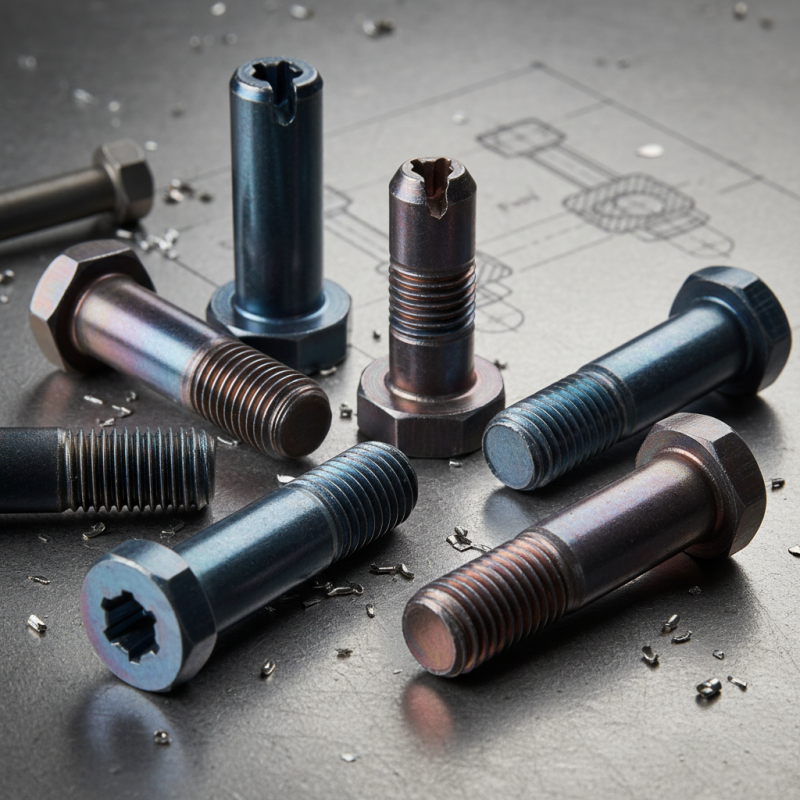
Overview of Slotted Bolts and Their Applications
Slotted bolts are widely used in various industries due to their unique design. These bolts feature elongated slots in their heads, allowing for more flexibility during installations. Their primary application lies in areas where adjustments are crucial, such as in construction and machinery assembly. The slots provide the ability to fine-tune the tension of the bolt, improving overall performance.
In the automotive sector, slotted bolts offer easy adjustments, especially during assembly lines. They support quick assembly and disassembly, making repairs more efficient. However, there can be drawbacks. Improperly installed slotted bolts may lead to compromises in structural integrity. It's vital to ensure that these bolts are not overtightened, which may strip the slot and reduce functionality.
In addition to automotive uses, slotted bolts are found in electronics. They help secure components with precision. Yet, their unique design can also attract dirt and debris, impacting their effectiveness. Regular maintenance checks are essential to ensure they function properly. This ongoing attention to detail is often overlooked, yet it is crucial for optimal performance.
Key Features to Consider When Choosing Slotted Bolts
When selecting slotted bolts, buyers should prioritize several key features. Material choice is crucial. Steel, stainless steel, and alloy options all offer distinct benefits. Steel provides strength, while stainless steel resists corrosion. Alloy materials often combine the best of both worlds for durability. It's essential to match the material with application requirements.
Another important factor is the slot design. Different designs cater to varied installation needs. Wider slots allow for more adjustment during fitting. A deep slot may enhance grip. This can be vital in scenarios where alignment is critical. Buyers should also consider the thickness of the bolt. A thicker bolt generally offers better load distribution.
Finally, examining the finish is beneficial. A smooth finish reduces friction, aiding in installation. However, some finishes enhance corrosion resistance. Choosing the right finish can impact the longevity of the bolt in harsh environments. Reflecting on these aspects will enhance the purchase decision.
2026 Best Slotted Bolt Options Comparison
Top Manufacturers of Slotted Bolts in 2026
As the demand for slotted bolts continues to rise, several manufacturers are stepping up to meet this need. These bolts are essential in various applications, from automotive to construction. The best manufacturers offer quality products that ensure safety and reliability. They invest in advanced technology to enhance the performance of their bolts. Such investments signal a commitment to both innovation and customer satisfaction.
Market leaders prioritize quality control. They employ rigorous testing methods to ensure that slotted bolts can withstand harsh conditions. Many use high-grade materials that resist corrosion and wear. This attention to detail increases trust in their products. However, even top manufacturers can face challenges in sourcing materials. Supply chain disruptions sometimes impact production. Continuous adaptation to changing market dynamics is crucial.
There is also a focus on sustainability. Some manufacturers are exploring eco-friendly materials for their bolts. They aim to reduce their environmental footprint while maintaining high performance. This reflects a growing awareness among buyers concerning sustainability. Buyers often seek options that align with their values. Balancing quality and eco-conscious practices can be challenging for manufacturers. The industry must evolve to meet these dual demands efficiently.
Comparative Analysis of Slotted Bolt Materials and Coatings
The selection of slotted bolt materials and coatings is crucial for durability and performance. Several studies highlight that stainless steel bolts are frequently preferred due to their high corrosion resistance. According to a report by the Joint Industry Board, stainless steel offers a lifespan that is 2.5 times longer than that of standard carbon steel. This can significantly reduce replacement costs over time.
In contrast, polymer coatings serve as an efficient alternative. These coatings can enhance the bolt's resistance to extreme temperatures and chemicals. Data indicates a growing trend. For example, the global market for coated fasteners is projected to reach $6 billion by 2025. While the initial cost of coated bolts may be higher, the overall longevity often justifies the investment. However, some manufacturers have reported inconsistencies in coating application, leading to potential failures in high-stress applications.
The interplay of materials and coatings remains an area for ongoing research. While some users experience drawdowns in performance, the right selection is often key. The varying environmental factors also make testing crucial before widespread adoption. Optimal choices may vary based on specific applications. Understanding the strengths and weaknesses of each material and coating can significantly impact the long-term integrity of projects.
2026 Best Slotted Bolt Options for Global Buyers
| Material | Coating Type | Corrosion Resistance | Strength Grade | Weight (grams) |
| Steel | Zinc Plated | Moderate | 8.8 | 25 |
| Stainless Steel | Passivated | High | A4-70 | 22 |
| Aluminum | Anodized | Moderate | 6061-T6 | 18 |
| Carbon Steel | Black Oxide | Low | 5.8 | 30 |
| Titanium | None | Very High | Grade 5 | 15 |
Global Market Trends and Pricing for Slotted Bolts in 2026
As we approach 2026, the global market for slotted bolts is witnessing significant trends and pricing changes. A recent analysis from the Global Fasteners Association indicates an expected growth rate of 5% annually. This growth is driven by rising demand in construction and automotive sectors. Countries in Asia Pacific are leading in production, while North America and Europe are key consumers.
Pricing for slotted bolts is expected to fluctuate due to raw material costs. According to a report from Industry Insights, steel prices have surged by approximately 8% year-over-year. This increase is likely to impact overall slotted bolt pricing. Moreover, supply chain disruptions remain a challenge. Manufacturers are facing difficulties in sourcing materials timely, leading to potential delays and increased costs for end users.
It is crucial for buyers to stay informed about market trends and pricing dynamics. Understanding regional shifts can help in making strategic purchasing decisions. Customers should be wary of sudden price hikes and consider bulk purchasing to mitigate costs. Knowledge of the market landscape will enable better negotiation strategies and improve supply chain resilience.