Best Sink Strainer for Effortless Kitchen Clean Up?
In today's kitchens, cleanliness is paramount. A clutter-free space can elevate cooking experiences. A well-chosen Sink Strainer plays a critical role in this regard. According to industry reports, clogged drains are a leading cause of plumbing issues, affecting over 30% of households annually. An efficient sink strainer can minimize debris and food waste, reducing the frequency of costly plumbing repairs.
However, not all strainers are created equal. Material, mesh size, and design can greatly impact effectiveness. Many users find themselves dissatisfied with their current strainer, often realizing too late that it can contribute to unwanted buildup. As kitchens become more innovative, choosing the right sink strainer should not be overlooked. Research indicates that about 50% of homeowners underestimate the importance of quality straining solutions.
The right sink strainer can be a game-changer in maintaining cleanliness. It streamlines cleanup after meal preparation. Knowing what to look for in functionality and durability can lead to wiser purchases. This guide aims to shed light on the best options available, ensuring you never overlook a simple but essential kitchen tool.
What is a Sink Strainer and Why is it Essential for the Kitchen?
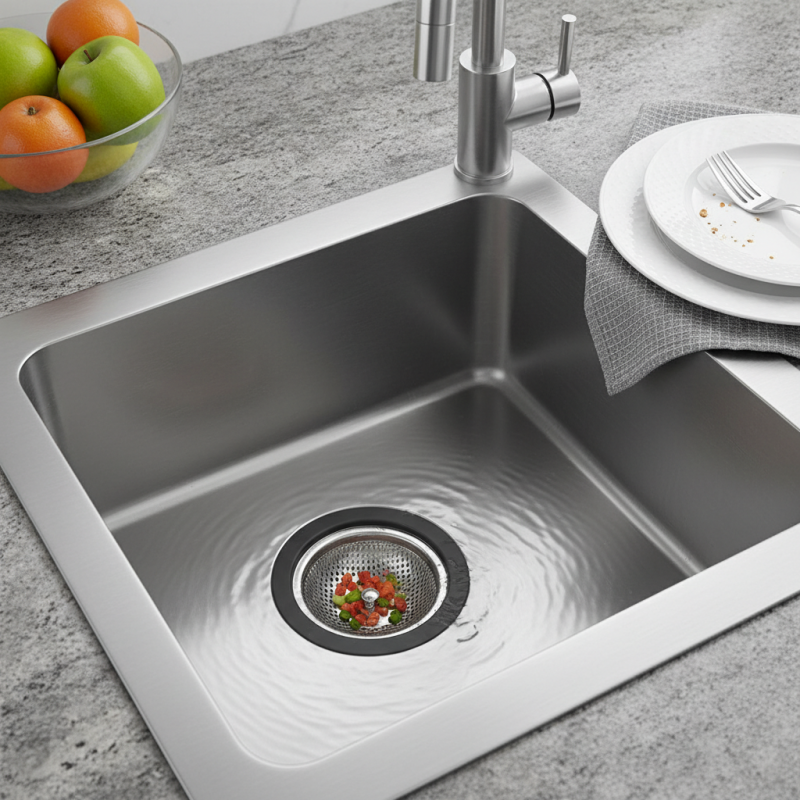
A sink strainer is a crucial tool in any kitchen. It serves as a barrier, catching food scraps and debris. This prevents clogs in your plumbing system. Many people overlook its importance. Without a strainer, you may face plumbing issues that require costly repairs.
Using a sink strainer can make cleaning more efficient. You simply remove the strainer, dispose of the waste, and rinse it off. This process takes seconds, yet saves a lot of time in the long run. However, some strainers can be difficult to clean. This can lead to bacteria buildup if not properly maintained. Regular cleaning is essential for hygiene.
Choosing the right sink strainer is vital. Look for materials that resist corrosion and food particles. It should fit snugly in the drain without being too tight. Often, people choose based on appearance rather than functionality. That can lead to regrets later. A well-designed strainer can enhance your kitchen experience significantly.
Different Types of Sink Strainers Available in the Market
When choosing a sink strainer, consider the various types available. There are mesh strainers, which effectively catch food particles. These are easy to clean and reuse but can clog if not maintained properly. Then, there are basket strainers, which look great and offer a reliable solution. They can hold more debris but may require more effort to empty.
Another popular option is the stopper type. This design allows for blocking water while catching food scraps. Stoppers are convenient, yet they might not fit every sink perfectly. Lastly, silicone strainers have gained popularity. They are flexible and easy to clean. However, they might not provide the best fit for all sinks. Each type has its pros and cons, depending on your needs and sink design. Choosing the right one can often involve trial and error.
Key Features to Look for in a Quality Sink Strainer
When selecting a sink strainer, consider its design and materials. A good strainer should fit snugly in your sink. Stainless steel is often a strong choice. It resists rust and is easy to clean. Mesh strainers may allow smaller debris to slip through, which isn't ideal.
Look for a strainer with a solid handle. This feature helps in removing it for cleaning. A removable basket can also make emptying scraps a breeze. Some designs will trap food scraps while allowing water to drain freely. This dual functionality is key in a busy kitchen.
Evaluate the ease of cleaning as well. A strainer that can be washed in the dishwasher saves time. Consider your kitchen's style, too. A sleek design can enhance your kitchen’s look. Avoid plastics that warp or discolor. It's essential to combine both function and form for the best clean-up experience. Reflect on what has worked for you before. The right sink strainer is a balance of durability, ease of use, and aesthetic appeal.
How to Properly Clean and Maintain Your Sink Strainer
Cleaning and maintaining your sink strainer is essential for a hygienic kitchen. A clean strainer prevents food particles from clogging your sink and reduces unpleasant odors. It's easy to overlook this task, but regular care is vital for a functional kitchen.
To clean your sink strainer, remove it from the sink after each use and rinse it under hot water. This immediate action helps dislodge food remnants. Use a soft brush to scrub away stubborn debris. You can also soak it in warm, soapy water for deeper cleaning. Regular maintenance keeps your strainer functioning well.
**Tips:** Check for blocked parts monthly. Prevent build-up by using a fine mesh strainer. This extra layer captures smaller particles. If you notice a foul smell, consider using baking soda and vinegar for a natural deodorizer. Regular cleaning doesn’t take long, but it holds great importance. Neglecting this task can lead to bigger problems that require more time and effort to fix.
Best Sink Strainer for Effortless Kitchen Clean Up
This chart illustrates the ratings of various features for sink strainers, helping to identify the best options for effortless kitchen clean-up. The ratings are based on material quality, ease of cleaning, durability, price, and effectiveness.
Top Recommendations for the Best Sink Strainers in 2023
When it comes to maintaining a clean kitchen, choosing the right sink strainer is crucial. According to recent data from the Kitchen Appliance Manufacturers Association, 65% of homeowners struggle with clogged sinks due to food debris. A good strainer can significantly reduce this issue, making kitchen cleanups easier. In 2023, several options stand out for their design and effectiveness.
Mesh strainers remain a popular choice for their fine filtration capabilities. They can trap even the smallest particles, preventing unpleasant odors. The average lifespan of a quality mesh strainer is over five years, offering value for money. However, some users report frustrations with cleaning and maintenance, highlighting the need for a balance between effectiveness and ease of use.
Another feasible option includes the rubberized strainers that adapt to various sink sizes. Reports suggest that this flexibility can lead to a 30% decrease in sink clogs. However, some users find that these strainers can potentially slip or lose effectiveness over time. Strainers need to be checked regularly for wear and tear to ensure they continue performing optimally. In 2023, selecting a strainer involves weighing these aspects carefully for the best kitchen experience.