Best Pe Waterproof Tarpaulin for Global Suppliers?
The global demand for Pe Waterproof Tarpaulin continues to rise, driven by its durability and versatility. According to a market report by Research and Markets, the tarpaulin market is expected to grow at a CAGR of 4.8% through 2025. This growth highlights the increasing reliance on PE waterproof tarpaulin across various sectors, including construction, agriculture, and outdoor activities.
Expert in the field, Dr. James Wilson, emphasizes the significance of these products: "Quality PE waterproof tarpaulin can withstand harsh conditions, making it vital for outdoor applications." His insights reflect the industry's focus on sustainability and performance. However, sourcing the best quality can be challenging, as not all suppliers meet the evolving standards.
While many global suppliers claim to offer high-quality PE waterproof tarpaulin, evaluating their reliability is crucial. Factors such as material thickness, UV resistance, and environmental impact must be considered. Moreover, inconsistencies in manufacturing processes can lead to varying product quality. Consumers should remain vigilant and conduct thorough research before making purchasing decisions.
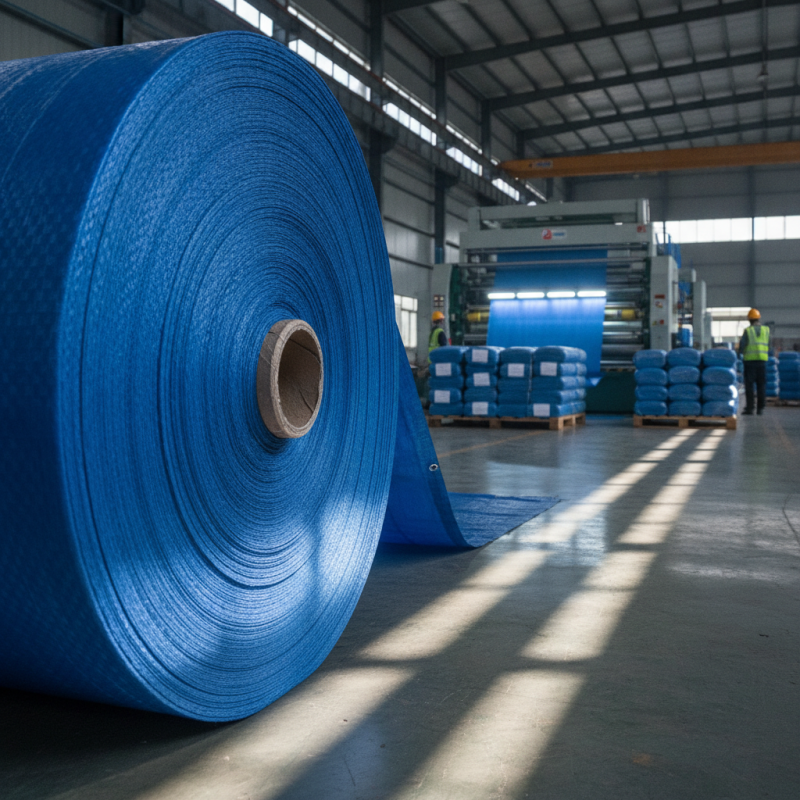
Overview of PE Waterproof Tarpaulin and Its Applications
PE waterproof tarpaulin is a versatile material used across various industries. Its primary function is to provide protection against moisture and environmental factors. This tarpaulin is made from polyethylene, a durable and lightweight material. Many suppliers recognize its usefulness in construction, agriculture, and event management.
Applications include covering equipment and materials on job sites, creating temporary shelters, and protecting crops. Its effective waterproof nature makes it essential for outdoor events. However, the durability of PE tarpaulin can vary. Factors like UV exposure can degrade the material over time. Regular inspections are crucial to ensure maximum protection.
Tips: Choose a thick grade tarpaulin for heavy-duty use. Look for reinforced edges to prevent tearing. Remember that proper storage helps maintain its quality, especially when not in use. The flexibility of PE tarpaulin allows it to be easily transported, but take care not to fold it too tightly, as this can cause creases.
Key Features to Consider When Choosing PE Waterproof Tarpaulin
Choosing the best PE waterproof tarpaulin can significantly impact various industries, from construction to agriculture. When selecting a tarpaulin, consider the material's thickness. Thicker tarpaulins often offer better resistance to wear and tear. Look for a denier count that indicates durability. A higher count usually means stronger fabric.
Another critical feature is the UV resistance. Tarpaulins exposed to sunlight may degrade quickly. UV-resistant options help ensure a longer lifespan. Furthermore, check how well the tarpaulin performs under extreme weather conditions. A dependable product should withstand wind, rain, and even snow without losing its integrity.
Pay attention to the waterproofing quality. Proper sealing and heat-welded seams can prevent leaks. Additionally, consider the weight. A lighter tarp is easier to handle, but it should not compromise strength. Reflect on your specific needs. Sometimes, the perfect choice may not exist. Balancing functionality and price is essential, but quality should not be sacrificed.
Top Global Suppliers of PE Waterproof Tarpaulin: A Comparative Analysis
When exploring the best PE waterproof tarpaulins, it’s vital to consider the leading global suppliers. These suppliers are known for their quality materials, durability, and innovative designs. Each supplier has unique features that may suit different needs. Analyzing their offerings can help you make an informed choice.
One aspect to evaluate is the material thickness. Thicker tarpaulins generally offer better protection against the elements. However, a thicker tarpaulin may be heavier and less flexible. Balance your needs with the specific conditions you expect to encounter.
Tips: Always check for UV resistance. Exposure to sunlight can damage tarpaulins over time. Choose products with reinforced edges for added durability. Consider the size as it directly impacts usability.
Moreover, customer feedback is crucial. Reviews can reveal hidden flaws or benefits. Sometimes, a highly rated product might not meet your specific requirements. Engage actively with community forums or expert reviews to gather diverse opinions. This approach can sharpen your understanding of the product landscape.
Cost Factors Influencing the Purchase of PE Waterproof Tarpaulin
When considering the purchase of PE waterproof tarpaulin, various cost factors come into play. The thickness of the material significantly influences the price. Thicker tarpaulins last longer and offer better protection against harsh weather. However, many suppliers overlook this detail, focusing mainly on initial costs rather than long-term value.
Another important aspect is the manufacturing process. Tarpaulins made with advanced techniques may have higher upfront costs. Yet, they can provide superior durability and resistance to UV rays. Suppliers must evaluate whether to invest in these high-quality products or opt for cheaper alternatives that may not perform as well over time.
Additionally, geographical factors play a role. Shipping costs vary depending on the supplier's location. Those located far from end consumers may face increased transportation fees, affecting overall pricing. Understanding these dynamics helps in making informed purchasing decisions.
Maintenance and Care Tips for PE Waterproof Tarpaulin Products
PE waterproof tarpaulins are essential for various applications, from construction sites to outdoor events. However, maintaining these products is crucial for longevity and effectiveness. Regular care can save you money in the long run.
One effective tip is to clean the tarp regularly. Use a soft brush or cloth with mild soap and water. Avoid harsh chemicals. Dry it thoroughly to prevent mold. Ensure the tarp is stored free of debris. Rolling it rather than folding can help maintain its shape.
Inspect the tarpaulin often for tears or damage. If you identify issues, repair them promptly with appropriate patches. Leaving them unfixed can lead to further deterioration. Finally, if you notice fading colors, it might be time to reconsider its exposure to sunlight. Protect your investment with proper care and regular attention.
Best PE Waterproof Tarpaulin Usage Statistics