2026 Best Laser Cutter Welder for Efficient Manufacturing?
In the rapidly evolving manufacturing landscape, the importance of a high-quality Laser Cutter Welder cannot be overstated. Experts agree that precision and efficiency are key. John Smith, a leading authority in laser technology, once stated, "A reliable Laser Cutter Welder can transform production efficiency overnight."
Manufacturers are constantly seeking tools that enhance productivity. The right Laser Cutter Welder simplifies complex tasks. It reduces waste and improves accuracy. As industries push for better output, the demand for top-tier machines has surged. Many brands promise excellence, but reliability and performance are often questioned.
Investing in a Laser Cutter Welder involves considerations beyond just the price tag. Factors like maintenance, user-friendliness, and customer support play essential roles. Companies need machines that not only deliver results but also stand the test of time. Finding the best option may involve trial and error. This landscape is filled with choices, but the right selection can lead to transformative results in manufacturing efficiency.
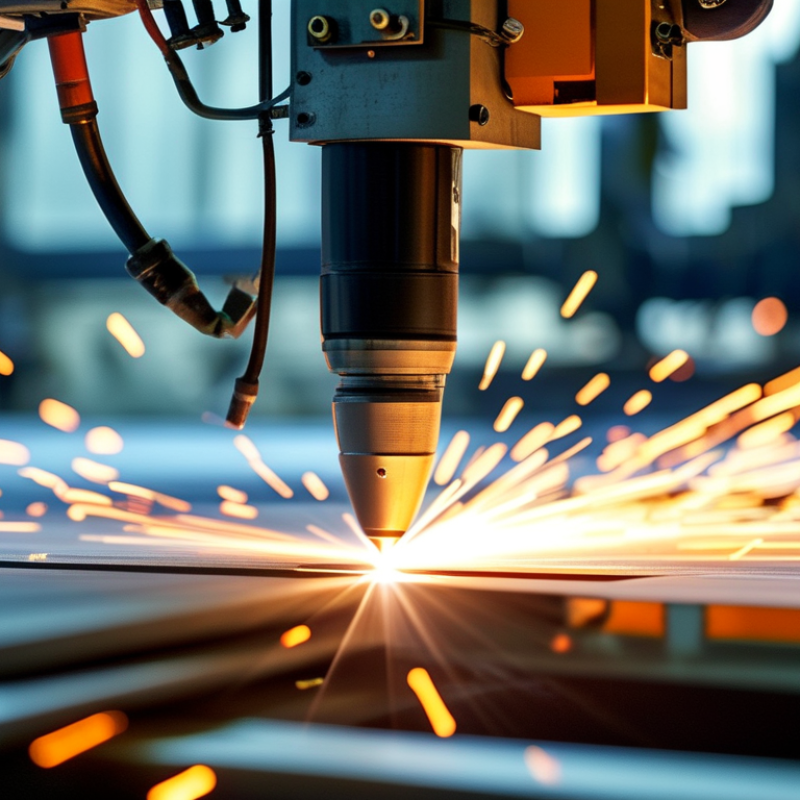
Overview of Laser Cutter Welders in 2026 Manufacturing Industry
The manufacturing industry in 2026 is experiencing a revolution with laser cutter welders at the forefront. These machines combine cutting and welding capabilities, making them invaluable for diverse applications. According to a recent industry report, the market for laser welding technology is projected to grow at a CAGR of 12% from 2023 to 2028. This growth highlights the increasing reliance on laser technology for precision and efficiency in manufacturing.
Laser cutter welders offer advantages such as reduced material waste and improved energy efficiency. Many manufacturers see impressive returns on investment due to increased production speed. However, these technologies are not without their challenges. Users report issues with calibration and maintenance, often requiring specialized training. Transitioning from traditional welding methods to laser technology can pose a steep learning curve for some.
Despite these challenges, the benefits of embracing laser cutter welders are significant. The ability to process various materials with minimal thermal distortion is a game changer. As manufacturers navigate the complexities of implementation, ongoing education and support are essential. Industry experts emphasize the importance of continuous improvement to keep pace with advancements in technology and maintain competitive advantage.
Comparative Analysis of Leading Laser Cutter Welders
When evaluating laser cutter welders, it's essential to focus on key factors. These factors include precision, speed, and ease of use. Each model offers unique strengths. For example, some excel in intricate designs, while others prioritize rapid production.
User experience plays a vital role in the adoption of these machines. Many operators highlight the learning curve associated with advanced features. Sometimes, the complexity can lead to frustration. However, once mastered, these features enhance creativity and efficiency. It's crucial for manufacturers to balance technology with user-friendly designs.
Cost considerations cannot be ignored. Higher-priced models might promise superior performance. Still, budget constraints often require careful decision-making. An efficient tool may be affordable, but it may lack some high-end functionalities. Manufacturers should evaluate their specific needs against available options, ensuring the choice is practical and beneficial.
Cost Efficiency and ROI of Laser Cutter Welders in Manufacturing
In the evolving landscape of manufacturing, the cost efficiency of laser cutter welders holds significant importance. These machines offer precision and speed, often improving production rates remarkably. Many manufacturers see a quick return on investment (ROI) after integrating these technologies. However, the initial purchase price can be daunting. Businesses must weigh this cost against long-term savings through reduced waste and labor.
Investing in a laser cutter welder requires careful budgeting. Look for machines that offer versatile features. Additionally, consider the energy consumption of the equipment. Lower energy usage translates to reduced costs over time. It’s essential to analyze operational costs and potentially adjust workflows. Smaller companies may find it harder to justify the expense initially. Yet, the efficiency can make a significant difference in high-volume production.
Here’s a tip: Start with a detailed cost analysis. Evaluate all possible expenses, including maintenance and materials. Understanding the total cost of ownership will guide informed decisions. Another consideration is staff training. Proper training maximizes the potential of the machine and minimizes errors. Invest time in learning and adapting the technology; it pays off in the long run.
2026 Best Laser Cutter Welder for Efficient Manufacturing
This chart illustrates the performance metrics for laser cutter welders in manufacturing for the year 2026. It highlights key aspects such as cost efficiency, return on investment, production speed, and maintenance costs, showcasing the effectiveness and value of these machines in modern manufacturing processes.
Future Trends and Innovations in Laser Cutting and Welding Technology
The landscape of laser cutting and welding technology is evolving rapidly. In 2026, manufacturers will embrace advanced systems with improved accuracy and speed. These innovations will drive efficiency, reducing material waste significantly. Enhanced precision is crucial for various industries. This precision not only saves costs but also ensures high-quality outputs.
Emerging trends focus on integrating AI and automation. These technologies enhance operational workflows, making them more streamlined. Laser systems equipped with sensors can adapt in real-time. Such adaptability allows for better adjustments during the cutting process. This flexibility is essential in today’s fast-paced manufacturing sectors.
However, challenges remain in adoption. The learning curve for new technologies can deter businesses, especially smaller ones. Additionally, maintaining quality control is critical. Companies must ensure their workforce is trained effectively. Balancing technology with human expertise can be complex. While future trends promise efficiency, careful implementation is key to harnessing their full potential.