Best Flat Face Hydraulic Coupling Options for Global Buyers?
In today's global market, the demand for highly efficient and reliable hydraulic systems is on the rise. Flat Face Hydraulic Couplings have emerged as a preferred choice among industry professionals. These couplings offer a range of benefits, including improved flow rates and enhanced sealing capabilities. However, selecting the best options requires careful consideration.
Several brands compete to provide top-quality Flat Face Hydraulic Couplings. Understanding their specifications is crucial in making an informed decision. Quality varies significantly across manufacturers. Buyers must evaluate each coupling's durability and performance metrics. Trustworthy suppliers stand out through rigorous testing and solid customer reviews.
Despite the advantages, some users may face challenges during installation or maintenance. Compatibility with existing equipment can be a concern. Ensuring proper fitting is vital; otherwise, inefficiencies may arise. Therefore, potential buyers should seek advice from experts. A knowledgeable perspective can prevent costly mistakes and enhance overall system reliability.
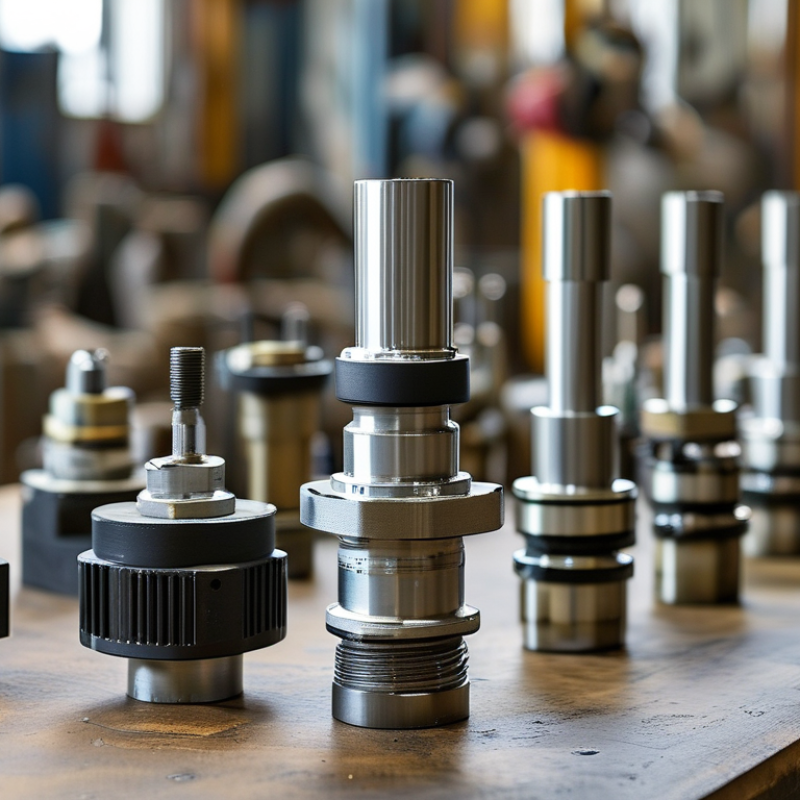
Overview of Flat Face Hydraulic Couplings and Their Applications
Flat face hydraulic couplings are essential in many industries. These couplings ensure leak-free disconnection and connection in hydraulic systems. They are designed to reduce the risk of contamination and improve system efficiency. This feature makes them particularly valuable in construction, agriculture, and energy sectors.
The flat face design offers a smooth surface that minimizes spillage. Users appreciate the ease of clean-up and reduced downtime. The applications are vast, ranging from heavy machinery to mobile equipment. Their ability to handle high pressures is crucial. However, it is vital to select the right size and material. Misjudging these factors can lead to system failure or inefficiencies.
While the benefits are clear, not all couplings are created equal. Users should seek expert opinions when choosing the appropriate type for their needs. Some may experience difficulties during installation due to compatibility issues. This highlights the need for thorough research before making a decision. A cautious approach helps avoid costly mistakes and ensures reliable operations.
Key Features to Consider When Choosing Flat Face Hydraulic Couplings
When selecting flat face hydraulic couplings, several key features are crucial. First, the material composition significantly impacts performance. Couplings made from durable materials, like carbon steel or stainless steel, resist wear and tear. This enhances the lifespan and reliability of connections in demanding environments. Ensure that the material is compatible with the specific fluids used in your hydraulic system.
Another important aspect to consider is the coupling size and connection type. Various sizes are available to suit different applications. A proper fit is essential for preventing leaks and maintaining system efficiency. Check compatibility with existing equipment to avoid costly retrofit scenarios. Additionally, assess the pressure ratings and temperature ranges to match your operational requirements.
Lastly, while researching, users often overlook service and maintenance aspects. Some couplings may require specific tools for installation or maintenance. This could add to your operational burden. Evaluate whether the couplings are easy to assemble and disassemble. Difficulty here could lead to downtime during service. Balancing functionality with ease of use is vital for optimal performance and cost-effectiveness.
Best Flat Face Hydraulic Coupling Options
This chart represents the key features to consider when selecting flat face hydraulic couplings for global buyers. It illustrates the temperature range, pressure rating, material durability, connection types, and available size options, helping to make informed purchasing decisions.
Top Manufacturers of Flat Face Hydraulic Couplings Globally
When exploring flat face hydraulic couplings, understanding the key manufacturers in the industry is crucial. Several global players excel in producing high-quality solutions tailored to various applications. These manufacturers emphasize reliability and performance in harsh environments. Essential attributes include temperature resistance and leak-proof designs. Buyers need to evaluate each product's specifications closely.
One prominent area of focus is technology integration. Leading manufacturers often invest in innovative design and materials. This advancement enhances durability and functionality. Moreover, customer feedback plays a vital role in shaping product development. Manufacturers listen to end-users, adjusting their offerings based on real-world experiences. However, not all innovations have been successful. Some products have faced challenges in terms of compatibility with existing systems.
In the competitive landscape, selecting a coupling involves careful consideration. Buyers should assess not only the manufacturing process but also the technical support provided post-purchase. Documentation and ease of installation can significantly impact user experience. Each manufacturer has strengths and weaknesses, making research essential. Understanding specific needs helps in finding the most suitable coupling for your projects.
Best Flat Face Hydraulic Coupling Options for Global Buyers
| Country | Material | Pressure Rating (Bar) | Temperature Range (°C) | Application |
| USA | Steel | 400 | -20 to 100 | Construction Equipment |
| Germany | Aluminum | 350 | -30 to 80 | Agricultural Machinery |
| Japan | Plastic | 300 | 0 to 70 | Chemical Processing |
| China | Carbon Steel | 450 | -20 to 120 | Mining Equipment |
| Italy | Brass | 250 | -10 to 90 | Food & Beverage |
Comparative Analysis of Popular Flat Face Hydraulic Coupling Models
When analyzing flat face hydraulic couplings, it's crucial to consider their design and performance. According to industry reports, these couplings are often preferred for their ability to minimize fluid leakage. In highly demanding environments, even a minor leak can lead to significant operational costs. The design of flat face couplings promotes a secure connection, thus ensuring reliable performance under pressure.
Different models vary in their material composition and pressure ratings. Several reports highlight that couplings made from stainless steel exhibit higher resistance to corrosion and wear, making them more durable in harsh environments. However, the trade-off could be greater initial costs. Additionally, ease of connection is vital. Users have noted that certain designs offer quicker coupling and uncoupling, benefiting operations that require frequent equipment changes.
Yet, it's important to reflect on compatibility issues. Some users report challenges with adapting newer models to existing systems. This underscores the necessity for thorough research before purchase. An understanding of specific application requirements is critical. Not all models will meet the diverse needs across industries. A detailed analysis can make a meaningful difference in operational efficiency and safety.
Maintenance Tips for Flat Face Hydraulic Couplings to Ensure Longevity
Flat face hydraulic couplings are vital in various industries, renowned for their low leakage and improved durability. However, to maximize their lifespan, proper maintenance is crucial. Regular inspection of seals is essential, as worn seals can lead to significant fluid loss. Studies show that up to 35% of coupling failures are linked to seal damage. Implementing predictive maintenance, leveraging data analytics, can help identify wear patterns before major failures occur.
Cleaning flat face couplings regularly is another key practice. Contaminants can compromise seal integrity and lead to leaks. Research indicates that 25% of hydraulic system failures stem from contaminants introduced during maintenance. Using dedicated cleaning solutions and tools helps maintain a clean working environment. Keeping couplings free from dirt and debris aids in preserving functionality and reliability.
Finally, ensuring proper storage for unused couplings cannot be overlooked. Poor storage conditions contribute to premature wear. Ideally, couplings should be stored indoors, away from extreme temperatures and moisture. Assessing these practices reveals areas for improvement. Maintaining flat face hydraulic couplings requires continuous attention and adaptation to best practices. Embracing these maintenance strategies will ultimately enhance performance and reduce operational costs.