Best Balancing Valves for Efficient Fluid Control Solutions?
In the realm of fluid control, Balancing Valves play a crucial role in ensuring efficiency. Industry expert Dr. Emily James, a renowned fluid dynamics specialist, emphasizes that “effective balancing is key to optimizing system performance.” This highlights the vital need for quality Balancing Valves in various applications, from HVAC systems to industrial processes.
Balancing Valves are designed to regulate flow and maintain system balance. This ensures energy efficiency and prolongs equipment life. However, not all Balancing Valves are created equal. The market is flooded with options, and it can be overwhelming to choose the right one. Consideration of factors like materials, size, and design is essential.
A common pitfall is overlooking maintenance needs. Regular inspection can prevent failures and maintain efficiency. It’s also important to analyze operational conditions. Some valves may work well in one scenario but fail in another. By understanding these intricacies, professionals can better select Balancing Valves that truly meet their needs.
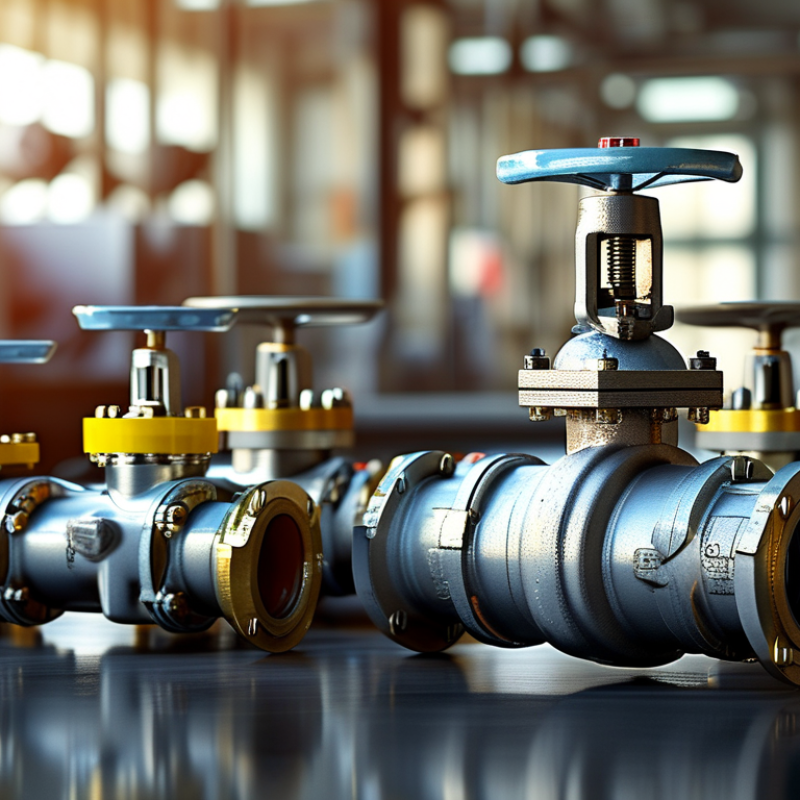
Understanding Balancing Valves and Their Importance in Fluid Control
Balancing valves play a crucial role in achieving efficient fluid control. They ensure the correct distribution of flow in a system. These valves help maintain optimal pressure levels and flow rates, which is essential for energy efficiency. Industry reports suggest that more than 30% of energy consumption in HVAC systems can be attributed to improper fluid control. This inefficiency often stems from unbalanced systems.
Studies indicate that proper balancing can lead to significant cost savings. The American Society of Heating, Refrigerating and Air-Conditioning Engineers reports that an adequately balanced system can save up to 20% on operational costs. Moreover, sites that implement balancing valves tend to have a longer equipment lifespan, thereby reducing maintenance costs. However, many systems still operate without effective measurement and adjustment, leading to wasted resources.
Challenges remain in understanding and implementing balancing techniques. Some technicians lack proper training, resulting in inconsistent application of balancing valves. Additionally, not all systems are designed with balancing in mind. As the industry evolves, there is a need for improved standards and practices. Investing time in education and evaluation will foster better fluid control solutions and enhance overall system performance.
Types of Balancing Valves: Manual vs. Automatic Options
Balancing valves play a critical role in fluid control systems. They ensure that water or other fluids move efficiently through pipelines. Among the two primary types—manual and automatic—the choice can significantly impact performance. According to a report by the International Energy Agency (IEA), optimizing fluid control can lead to energy savings of up to 30%.
Manual balancing valves offer simple control or adjustments for flow. They require hands-on management, which can be less efficient over time. Operators must constantly monitor and adjust these valves to maintain desired flow rates. This process can be time-consuming and prone to human error. By contrast, automatic balancing valves adjust flow on the fly, responding to changes in the system. This capability can enhance system efficiency but comes with increased installation and maintenance complexity.
Each option has pros and cons. Manual valves provide low upfront costs but demand ongoing operator attention. Automatic valves minimize manual labor but may require sophisticated controls and higher initial investment. Understanding these differences is vital for making informed decisions. As installations vary, one size does not fit all. Each system should be evaluated based on specific needs and goals.
Key Features to Look for in High-Quality Balancing Valves
When selecting high-quality balancing valves, several key features should be prioritized to ensure effective fluid control. One significant aspect is the valve's material construction. Valves made from durable materials, such as brass or stainless steel, offer better resistance to corrosion and wear. According to industry data, valves made from high-quality materials can lead to a 15-20% increase in longevity, reducing replacement costs over time.
Another crucial feature is the valve's design efficiency. A well-designed balancing valve can help optimize flow rates and pressure drops in a system. Research indicates that systems utilizing efficient balancing valves can achieve up to 30% better energy savings. Accurate flow balancing is vital for maintaining system performance and enhancing comfort levels in HVAC applications.
A reliable control mechanism is also essential. For instance, valves with clearly marked adjustment indicators allow for precise flow adjustments. This ensures that users can easily make tweaks without requiring extensive training or technical support. In practice, a user-friendly design not only improves operational efficiency but can also enhance user satisfaction. Investing in these features can significantly impact overall performance, highlighting the importance of careful selection when aiming for efficiency in fluid control systems.
Applications of Balancing Valves in Various Industries
Balancing valves play a crucial role in various industries. They help regulate the flow of fluids in systems, ensuring optimal performance. In HVAC systems, these valves assist in maintaining consistent temperature levels. This ensures energy efficiency and enhances comfort in buildings. Similarly, in manufacturing, balancing valves help control fluid processes in machinery, reducing wear and tear.
When implementing balancing valves, consider the specific needs of your application. Understanding the fluid dynamics within your system can lead to better results. Poor analysis may lead to inefficiencies. It's essential to regularly check the calibration of these valves. A minor adjustment can greatly impact fluid distribution.
In water distribution networks, balancing valves prevent flow imbalances. This is vital for maintaining pressure and quality. Users should be aware of the importance of periodic maintenance. Regular inspections will prolong the lifespan of the valves. Pay attention to wear signs, such as leaks or unusual noises. Such details can indicate underlying issues that may require immediate attention.
Best Balancing Valves for Efficient Fluid Control Solutions
Maintenance Tips for Ensuring Optimal Performance of Balancing Valves
Balancing valves play a critical role in fluid control systems. Regular maintenance is vital to ensure their efficiency and longevity. Start by checking for leaks. Even small leaks can lead to significant performance issues over time. Use a simple visual inspection to identify any signs of wear or damage. It’s common for balancing valves to accumulate debris, impacting their functionality.
Periodically, you should clean the valves to prevent build-up that might hinder flow. Make sure to flush the system to remove any contaminants. Monitoring the pressure differential across the valve is essential. If the readings vary widely, it might indicate the valve isn’t operating as intended. Adjustments may be necessary to maintain optimal flow rates.
Regularly consulting with professionals can provide deeper insights into the specific requirements of your system. They can offer guidance tailored to your setup. Reflect on past maintenance practices; learn from any oversights. Balancing valves are not infallible. Being proactive can help prevent unexpected failures and save costs down the road.
Best Balancing Valves for Efficient Fluid Control Solutions
| Valve Type | Size (Inches) | Maximum Pressure (psi) | Temperature Range (°F) | Material | Maintenance Tips |
| Dynamic Balancing Valve | 2 | 150 | 32 to 180 | Brass | Regular inspection for wear |
| Static Balancing Valve | 1.5 | 100 | 50 to 150 | Stainless Steel | Clean regularly, check seals |
| Pressure Independent Control Valve | 3 | 200 | 34 to 120 | Plastic | Adjust settings as needed |
| Flow Control Valve | 4 | 300 | 40 to 200 | Bronze | Lubricate moving parts |