Explore the Best Audi A3 Body Kit Options for Global Buyers
The Audi A3 is a favorite among car enthusiasts worldwide. Its sleek design and performance capabilities make it a prime candidate for upgrades. An Audi A3 Body Kit is a popular choice for those looking to enhance both aesthetics and aerodynamics. According to renowned automotive expert James Smith, “Investing in a body kit can transform your vehicle's appearance and improve its road performance.”
When considering the best options for an Audi A3 Body Kit, buyers need to factor in quality and fit. There are various aftermarket choices available, each offering distinct advantages. However, not all kits may match the original specifications perfectly. Therefore, it’s crucial to choose trusted brands known for reliability and craftsmanship.
Quality comes at a price, and some kits can be costly. Affordability should not compromise durability. Potential buyers must research thoroughly to find the ideal balance. Explore the various options, but also be aware of any shortcomings. An Audi A3 Body Kit can elevate your vehicle, but attention to detail is key to a satisfactory upgrade.
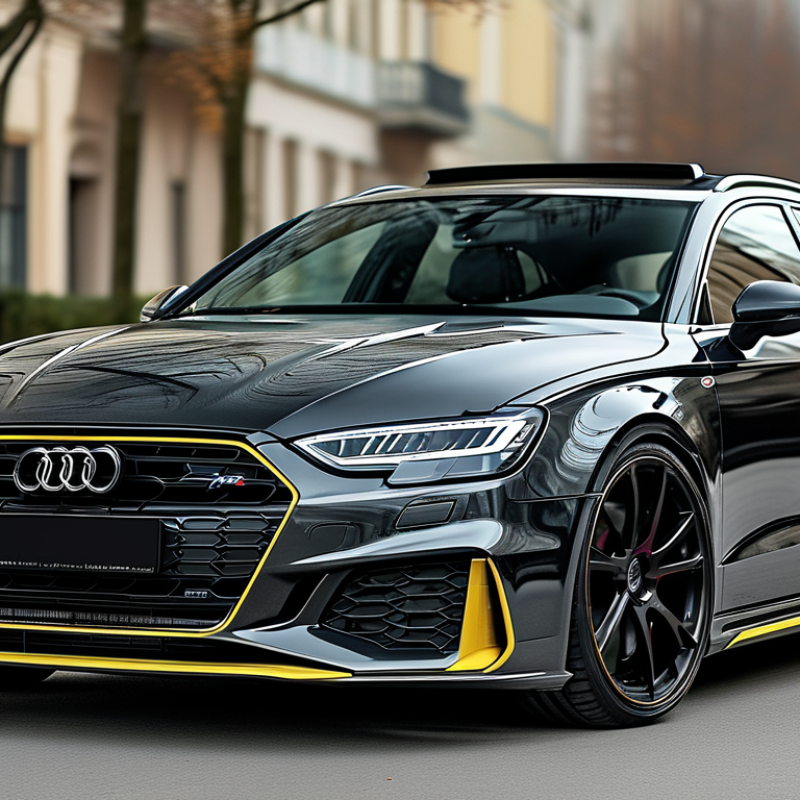
Best Audi A3 Body Kit Overview: Features and Benefits
Upgrading an Audi A3 with a body kit can significantly enhance its aesthetics and performance. Body kits are designed to improve aerodynamics and give the vehicle a sportier look. According to industry insights, vehicles with body kits can experience up to a 10% increase in drag efficiency. This improvement can lead to better fuel economy and handling.
Choosing the right body kit involves understanding the features and benefits that different options offer. Many kits utilize lightweight materials, which can reduce the overall weight of the vehicle. A lighter vehicle often means quicker acceleration and improved braking performance. However, not every body kit integrates seamlessly with the A3’s design. Some kits may require additional modifications, raising concerns about compatibility and cost-effectiveness.
Moreover, aesthetic appeal is subjective. What looks great to one person might not please another. Potential buyers should consider their personal taste and resale value. An overly aggressive body kit could alienate future buyers. Balancing visual enhancements with practicality can be challenging. This is where research and expert advice become essential, ensuring that choices align with individual driving preferences and lifestyle.
Popular Materials Used in Audi A3 Body Kits: A Comparison
When considering an Audi A3 body kit, the material choice plays a crucial role in performance and aesthetics. Common options include fiberglass, carbon fiber, and polyurethane. Each material has distinct characteristics that appeal to different buyers. Fiberglass is lightweight and cost-effective, making it a popular choice for many. However, it can be prone to cracking, which may require careful handling.
Carbon fiber, on the other hand, offers exceptional strength and durability. It enhances the car's appearance while improving aerodynamics. The high cost can be a barrier for some, but its long-term benefits often justify the investment. Polyurethane is flexible, which can mitigate damage from minor impacts. However, its weight can sometimes be a disadvantage compared to fiberglass and carbon fiber.
Selecting the right body kit material requires careful consideration of personal needs and driving habits. Buyers often overlook maintenance factors associated with their choices. Some materials may require more upkeep, which is worth pondering. Each option presents both advantages and challenges, urging potential buyers to reflect before making a decision.
Top Body Kit Brands for Audi A3: Market Leaders and Their Offerings
When considering body kits for the Audi A3, buyers seek quality and variety. Many reputable brands dominate the market, each offering unique designs and features. Body kits can significantly enhance the vehicle's appearance, making it stand out. Some options focus on improved aerodynamics, while others emphasize visual appeal. Buyers must consider their preferences and needs carefully.
Choosing the right body kit is not just about aesthetics. It involves understanding the materials used and their durability. Lightweight composites might offer better performance but may have drawbacks in terms of cost. Some kits may require additional modifications for perfect fitment, which adds to the complexity. Reflecting on user experiences can guide future purchases.
Research is vital. Look for manufacturers with a solid track record. Customer reviews can highlight common pitfalls and notable strengths. Buyers should be aware of the implications of DIY installations. Understanding the balance between cost, quality, and ease of installation can be tricky. Ultimately, informed choices lead to satisfying results.
Installation Process for Audi A3 Body Kits: What to Expect
When considering body kit installation for the Audi A3, preparation is key. Start by gathering essential tools like screwdrivers, wrenches, and adhesive. Depending on the complexity, you may need extra help. While it may seem straightforward, aligning the pieces can be challenging. Some find that a second pair of hands greatly improves the process.
The installation typically requires you to remove some factory parts. This step includes removing the bumper and side skirts. It’s vital to keep track of all screws and clips during this process. Misplacing them can lead to fitment issues later. After the body kit is fitted, it should look cohesive and integrated. However, it's not uncommon to encounter small gaps or misalignments. Be ready to adjust and fine-tune for a better fit.
Additionally, it's important to test drive after installation. Ensure that no parts interfere with vehicle dynamics. Some users report increased wind noise or vibrations post-installation. If these issues arise, further adjustments may be necessary. It’s a learning curve that requires patience and attention to detail. Each installation can teach something new, leading to a more satisfactory outcome.
Best Audi A3 Body Kit Options for Global Buyers
This chart illustrates the popularity of various Audi A3 body kit options based on units sold. As seen, the Front Bumper Replacement is the most sought-after option, followed by Side Skirts and Rear Spoilers. This visual analysis can guide potential buyers in choosing the best aftermarket kits for their Audi A3.
Global Market Trends: Audi A3 Body Kit Preferences by Region
In recent years, the Audi A3 has become a favorite among car enthusiasts around the globe. Its sleek design offers ample opportunities for customizations, particularly through body kits. Different regions showcase distinct preferences when it comes to these kits. For instance, European buyers often lean towards aggressive designs with sporty elements. This reflects their inclination for high-performance vehicles that turn heads on city roads.
Conversely, buyers in Asia may prefer more subtle modifications that enhance elegance. They focus on aerodynamics and subtle enhancements. In North America, a mix of both trends is visible. Many drivers seek out bold kits that express individuality while still being functional. However, not all kits meet quality expectations, leading to dissatisfaction. It's crucial for potential buyers to research material and fitment issues thoroughly.
A challenge remains in identifying which kits truly elevate the A3 experience. With many options available, discerning which fits each region's taste can be tricky. Market trends indicate that customization reflects a personal touch, but the risk of choice overload is real. Enthusiasts should be wary of overly flashy modifications that can detract from the vehicle's sophisticated appearance.