What Are the Benefits of Vacuum Insulation Boards for Buyers
Vacuum Insulation Boards (VIBs) have garnered significant attention in recent years as a solution for energy efficiency in construction and appliance manufacturing. According to a report by Grand View Research, the global vacuum insulation market is projected to reach $6.1 billion by 2025. This growth highlights the increasing demand for effective thermal insulation in a world focused on sustainability.
These boards exhibit impressive thermal resistance. VIBs offer a thermal conductivity as low as 0.004 W/mK. This efficiency can lead to reduced energy costs for homeowners and businesses alike. For instance, integrating VIBs into buildings can lower heating and cooling expenses by up to 30%, contributing to significant energy savings.
However, it is essential to recognize that while VIBs present numerous benefits, challenges exist. The initial cost can be higher than traditional insulation materials. Additionally, the durability of VIBs under various conditions remains a topic of ongoing research. Buyers must weigh these factors before making a decision. Understanding both the advantages and limitations of Vacuum Insulation Boards is crucial for informed purchasing decisions and maximizing long-term value.
Understanding Vacuum Insulation Boards: An Overview
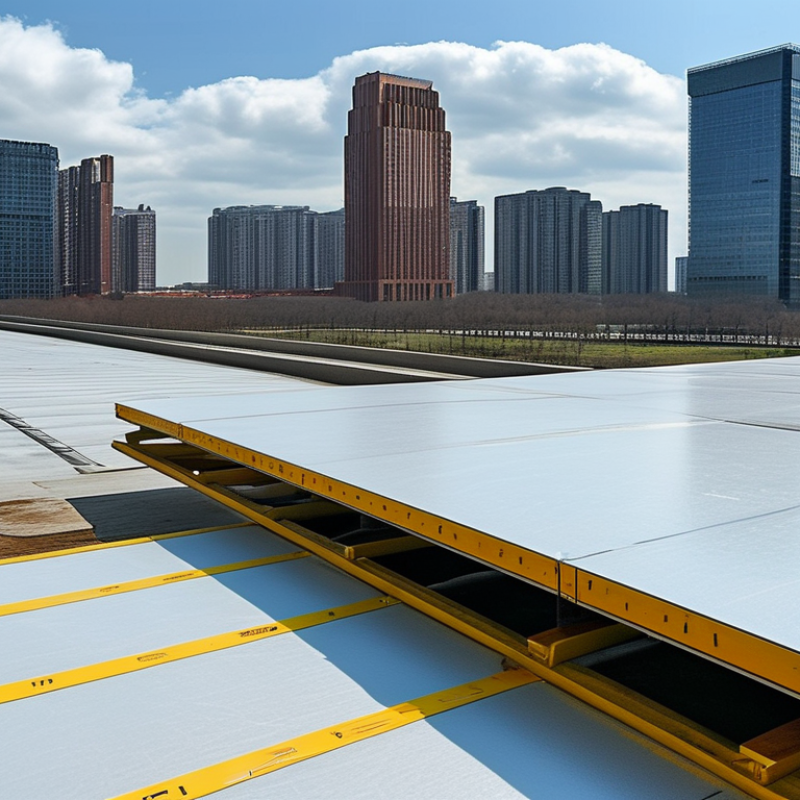
Vacuum insulation boards (VIBs) are becoming increasingly popular in construction and insulation. These boards offer superior thermal performance. They are made by enclosing a porous core in a vacuum-sealed envelope. This innovative design minimizes heat transfer significantly. Consequently, VIBs are much thinner than traditional insulation materials while providing the same level of thermal resistance. This space-saving quality is valuable in both new constructions and renovations.
The durability of vacuum insulation boards adds to their appeal. They resist moisture and have a longer lifespan than conventional insulation options. While VIBs are more costly upfront, their energy efficiency can lead to savings over time. This is especially important in an era of rising energy costs. However, it's essential to consider the installation process. Proper installation is critical to fully benefiting from VIBs' insulation properties. DIY attempts might lead to errors and reduced performance.
Understanding vacuum insulation boards means recognizing their limitations. They require careful handling and precise installation. Not everyone may have experience with such materials, leading to potential mistakes. Additionally, their long-term performance remains a subject of study. As with any building material, user experiences vary. While VIBs have many advantages, they may not be the best choice for every situation. Buyers should weigh these factors before making a decision.
Benefits of Vacuum Insulation Boards for Buyers
| Benefit | Description | Impact on Energy Efficiency |
| High Thermal Resistance | Offers superior insulation performance compared to traditional materials. | Reduces energy consumption for heating and cooling, lowering utility bills. |
| Space-Saving Design | Thin profile provides effective insulation without adding bulk to walls or floors. | Allows for more usable space in buildings by minimizing insulation thickness. |
| Moisture Resistance | Repels moisture, preventing mold growth and maintaining indoor air quality. | Promotes a healthier living environment and lowers maintenance costs. |
| Durability | Long lifespan and performance stability make it a cost-effective choice. | Reduces the need for frequent replacements, further saving costs over time. |
| Versatility | Applicable in various settings, including residential, commercial, and industrial. | Flexibility in application increases its value for various projects. |
Key Advantages of Vacuum Insulation Boards for Buyers
Vacuum Insulation Boards (VIBs) offer significant advantages for buyers looking to improve energy efficiency. These boards have outstanding thermal resistance. They can achieve thermal conductivity values as low as 0.004 W/mK. This performance is more than twice as effective as traditional insulation materials. Many industry reports highlight that using VIBs can reduce energy losses by up to 80%. This reduction translates directly into lower heating and cooling costs for buildings.
VIBs are lightweight and easy to handle. They allow for thinner construction profiles, which can save valuable space in both residential and commercial settings. In urban environments, where space is a premium, this feature is especially significant. Reports suggest that integrating VIBs can provide design flexibility that meets the needs of modern architecture.
Despite their many benefits, buyers should be aware of potential challenges with installation. Proper sealing and application are critical. VIBs must be correctly positioned to maximize their advantages. Additionally, costs can be higher upfront compared to conventional materials. However, the long-term savings can outweigh initial investments. As industry guidelines evolve, buyers can expect wider adoption and innovation, making VIBs a worthy consideration for future projects.
Comparative Analysis: Vacuum Insulation vs. Traditional Insulation
Vacuum insulation boards (VIBs) offer significant advantages over traditional insulation methods. VIBs are thinner yet more effective, which saves space. They achieve superior thermal resistance due to their unique composition of a vacuum sealed core. This allows for excellent energy efficiency, reducing heating and cooling costs for homeowners.
When considering insulation options, it’s crucial to evaluate installation requirements. VIBs can be more delicate than standard materials. Professional installation is often recommended to ensure they perform optimally. Proper sealing and handling can prevent damage and maximize their insulating capabilities.
Tips: When choosing insulation, weigh the long-term energy savings against installation costs. Also, consider the environmental impact of materials used in both types. For specific applications, VIBs might not be ideal. Evaluate the specific needs of your project carefully. Remember, every insulation material has its strengths and weaknesses. Be mindful of your space and climate needs for the best results.
Application Areas: Where to Use Vacuum Insulation Boards
Vacuum Insulation Boards (VIBs) are gaining popularity in various applications due to their excellent thermal performance. These boards are ideal for areas requiring superior insulation without taking up much space. You can find them in residential buildings, commercial properties, and even in appliances. They effectively reduce energy costs while ensuring comfort.
In residential spaces, VIBs are often used within walls and roofs, enhancing energy efficiency. Their lightweight design makes them easy to install. Additionally, kitchens benefit from these boards, especially in refrigerators, where maintaining consistent temperatures is crucial. In commercial projects, they help maintain the structural integrity of buildings, providing a sleek appearance while improving insulation.
Despite their numerous advantages, some users report challenges with installation. Proper handling and fitting are necessary to achieve optimal results. This requirement may deter some buyers. Moreover, the initial investment can be higher compared to traditional insulation methods. However, the energy savings and long-term benefits often outweigh these initial costs, making VIBs a worthy consideration for many applications.
Cost Considerations: Evaluating the Investment in Vacuum Insulation Boards
Vacuum insulation boards (VIPs) offer significant cost advantages for buyers aiming to enhance energy efficiency. Research shows that VIPs can reduce energy loss by up to 50% compared to traditional insulation methods. This efficiency translates to long-term savings on energy bills, making them an attractive investment for homeowners and builders alike.
When evaluating costs, it is crucial to consider both initial investment and long-term benefits. While VIPs may have a higher upfront cost, their superior insulation properties often justify this price. According to industry reports, the payback period for VIPs can be as short as five years. This is particularly relevant in colder climates where heating expenses can be substantial.
Tips: Always compare the total cost of ownership rather than just the purchase price. Consider potential energy savings over time. Also, researching potential rebates or incentives can help offset costs further. Remember, investing in quality insulation supports sustainability while enhancing your living space's comfort.