What is Aluminum Stock Material for Your Procurement Needs?
Aluminum Stock Material plays a crucial role in various industries. It serves as a versatile choice due to its strength and lightweight properties. Industries such as aerospace, automotive, and construction rely on it for a wide range of applications. The demand for aluminum stock continues to rise, driven by innovations and sustainability goals.
When considering aluminum stock material for procurement, understanding specific needs is essential. Factors like alloy type, dimensions, and surface finish impact overall performance. Proper selection affects not only product quality but also cost efficiency. It is vital to choose reputable suppliers who provide reliable aluminum stock materials.
Assessing options requires careful thought. Not all aluminum stock is created equal, and some may not meet project requirements. Evaluating the source of aluminum can prevent future issues. Transparency in material specifications ensures durability and compliance with industry standards. Thus, making informed decisions about aluminum stock material can greatly influence project success.
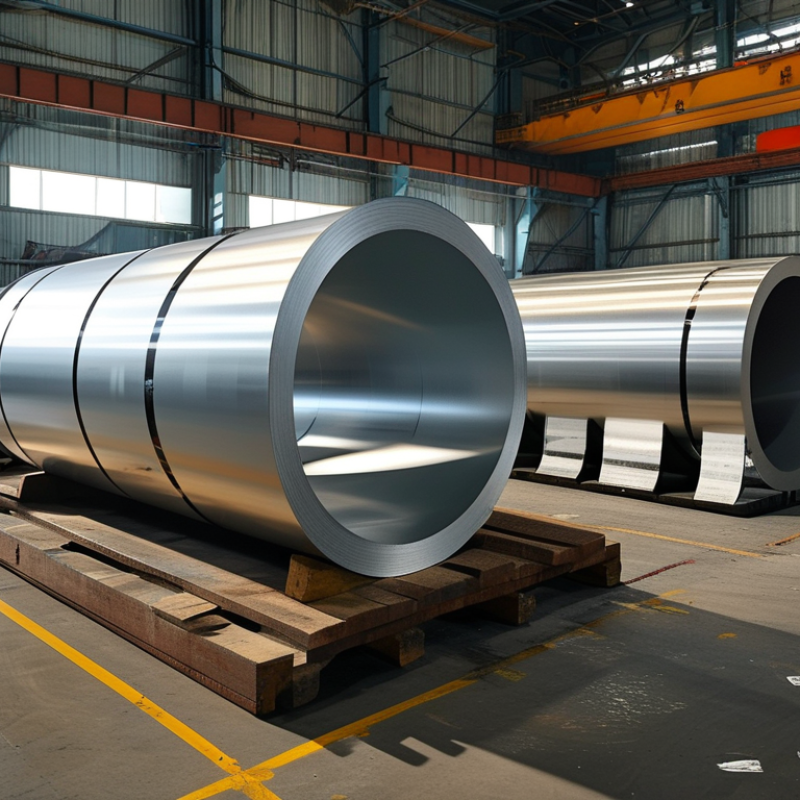
Understanding Aluminum as a Stock Material for Various Applications
Aluminum serves as an essential stock material across various industries. Its lightweight nature makes it ideal for applications in aerospace, automotive, and construction. Manufacturers appreciate its strength-to-weight ratio, which enhances efficiency. Used in everything from aircraft frames to packaging, aluminum's versatility is unmatched.
Applications vary widely, demanding different aluminum grades. For example, 6061 aluminum is popular for structural components due to its excellent corrosion resistance. In contrast, 7075 aluminum is favored in high-stress applications for its superior strength. Understanding these differences is crucial for procurement needs.
While aluminum offers many benefits, it is not without drawbacks. Fabrication can be challenging, and care must be taken to prevent oxidation. Sourcing high-quality aluminum is vital to ensure performance and longevity. Buyers should be aware of potential quality variability in the market. This knowledge can lead to more informed decisions and better overall results in procurement.
Types of Aluminum Alloys: Characteristics and Uses in Procurement
Aluminum alloys are popular choices in various industries due to their unique characteristics. These materials offer excellent strength-to-weight ratios, making them ideal for applications in aerospace, automotive, and construction. According to the Aluminum Association, the global aluminum market is projected to grow by 5% annually, highlighting the increasing demand for aluminum stock materials.
There are several types of aluminum alloys, categorized primarily into wrought and cast alloys. Wrought alloys, such as 6061 and 7075, are known for their versatility and strength. They are often used in structural applications and high-stress environments. Cast alloys, like A356 and A380, provide excellent fluidity for complex shapes and are ideal for applications like automotive parts and machinery. Each alloy exhibits distinct properties, making it essential to select the right type based on specific procurement needs.
Inspect your supplier's certification for quality assurance. Look for materials that meet industry standards, such as ASTM and ISO certifications. Familiarize yourself with the properties of each alloy to ensure you choose the most suitable one for your project. Understanding the typical applications and limitations of these alloys will help make informed procurement decisions. Regularly revisit your materials' specifications as industry standards evolve and new technologies emerge.
Factors to Consider When Sourcing Aluminum Stock Material
When sourcing aluminum stock material, several critical factors come into play. The first is alloy selection. Aluminum comes in various alloys, each with unique properties. For instance, 6061 offers good mechanical properties and weldability. Conversely, 2024 is famous for its strength but is less corrosion-resistant. Understanding these differences is crucial for project specifications.
Cost is another vital consideration. Raw aluminum prices fluctuate based on market demand and can impact your procurement budget. According to the Aluminum Association, the global aluminum market is projected to grow at a CAGR of 4.1% from 2021 to 2026. This growth could lead to price increases, so being aware of market trends is essential.
Lead times can often be an overlooked factor in the sourcing process. Local suppliers might offer faster delivery times compared to international sources, but they may have limitations on variety. Suppliers' reliability is also crucial. Data shows that the failure to meet deadlines can lead to increased costs and project delays. Balancing these factors requires careful consideration to ensure you meet both quality and time constraints for your project.
What is Aluminum Stock Material for Your Procurement Needs?
| Material Type | Temper | Thickness (inches) | Width (inches) | Length (inches) | Application |
| 6061 Aluminum | T6 | 0.125 | 48 | 120 | Structural Components |
| 5052 Aluminum | H32 | 0.090 | 36 | 144 | Marine Applications |
| 6063 Aluminum | T5 | 0.075 | 24 | 96 | Architectural Extrusions |
| 2024 Aluminum | T3 | 0.200 | 12 | 60 | Aerospace Components |
| 3003 Aluminum | H14 | 0.050 | 36 | 120 | Chemical Equipment |
Cost Comparison: Aluminum Stock vs Other Materials in Procurement
When considering procurement, the cost of materials is a critical factor. Aluminum stock is often compared to other commonly used materials like steel or plastic. While aluminum tends to have a higher initial cost, it often proves more economical in the long run. Its lightweight nature can lead to reduced shipping costs. Plus, aluminum is highly corrosion-resistant, extending its lifespan and minimizing replacement costs.
However, the choice isn’t always straightforward. In some applications, steel may present a cheaper upfront option, especially for heavy-duty uses. Yet, steel is heavier and can require additional handling and support. Understanding these nuances is essential for procurement professionals. It’s crucial to evaluate the specific needs of each project. Sometimes, a higher quality material like aluminum may save headaches down the line, despite its initial price tag.
Cost comparison isn't solely about price; it’s about value. Each material comes with its trade-offs. Seek advice from industry experts. They can offer insights based on experience. Assessing the right choice can lead to both short-term savings and long-term benefits.
Best Practices for Handling and Storing Aluminum Stock Materials
Handling and storing aluminum stock materials requires careful attention. Optimal storage conditions are essential to prevent corrosion and contamination. Ensure that aluminum sheets and profiles are stored in a dry location, away from moisture. This helps maintain their integrity and extends usability.
Labeling storage areas properly is vital. It aids in quick identification and minimizes handling errors. Use pallets or racks to avoid direct contact with the ground, as this reduces the risk of rust. Employees should be trained on the correct handling techniques to avoid bending or misplacing the materials.
Despite these precautions, accidents can happen. Regular inspection of stock conditions is necessary to catch any issues early. Maintaining a clean storage environment is important, as dirt and debris can lead to surface damage. Reflection on storage practices can lead to improvements in efficiency and safety for everyone involved.