7 Best Water Filtration Systems for Home Use

Choosing the best water filtration system for home use requires more than comparing prices, flow rates, or polished product photos. Water quality changes by location, plumbing age, and household needs. A clear glass can still contain substances that taste and smell normal.

The scale of the issue is significant. The WHO and UNICEF Joint Monitoring Programme reported that 2.2 billion people lacked safely managed drinking water in 2022. In the United States, the Environmental Protection Agency’s 2024 PFAS National Primary Drinking Water Regulation highlighted persistent chemicals that may require specialized treatment. Not every filter removes PFAS, lead, bacteria, or pesticides. That detail matters.

This guide evaluates seven leading household filtration systems through certification, contaminant reduction, installation effort, maintenance, and long-term cost. NSF/ANSI standards offer useful reference points: Standard 42 covers aesthetic concerns, Standard 53 addresses certain health-related contaminants, and Standard 58 applies to reverse osmosis systems. Certification still needs careful checking. A product may reduce chlorine but offer no verified protection against lead.

Think about the kitchen sink, the replacement cartridge, and the water bill. Those practical details often decide whether a system performs well after six months. We also consider testing data, manufacturer documentation, and guidance from the CDC and EPA. No system is perfect. I may favor convenience too strongly in some comparisons, because daily use is difficult to measure. Still, this review aims to separate credible filtration claims from vague marketing, helping households choose with clearer evidence and fewer surprises.
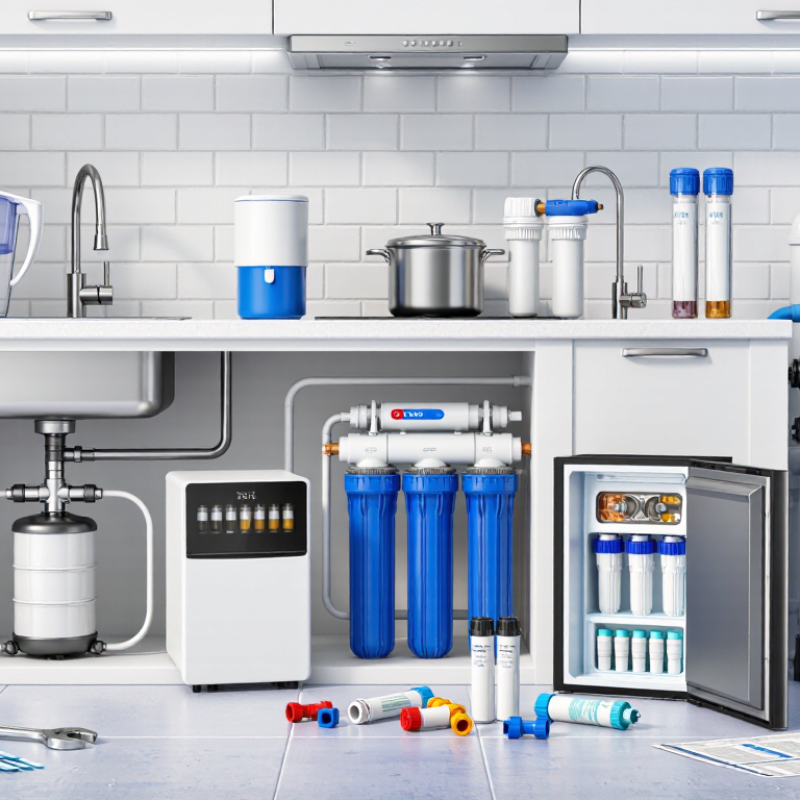
7 Best Water Filtration Systems for Home Use

Types of Home Water Filtration Systems

Choosing among home water filtration systems begins with the water problem, not the equipment. A recent laboratory report can reveal sediment, chlorine, hardness, metals, or microbial concerns. That evidence makes recommendations more reliable.

Sediment filters trap sand, rust, and visible particles before they reach appliances.

Activated carbon systems reduce chlorine, odors, and some organic compounds.

Reverse osmosis removes many dissolved contaminants, but it produces wastewater and needs regular maintenance.

Ultraviolet systems can inactivate microorganisms when the water is already clear. They do not remove chemicals.

Distillation uses heat to separate many impurities, although it can consume significant energy.

Ion-exchange softeners reduce hard-water minerals and help protect pipes.

Ceramic filters physically block many particles and some microorganisms, depending on their pore size.

Each type has limits. No single filter removes everything. That assumption is tempting. I would not treat a clear glass as proof of safe water. Check flow rate, replacement schedules, installation needs, and independent performance testing. Whole-house systems protect showers and plumbing, while point-of-use units focus treatment at one tap. Families should also consider children, older pipes, private wells, and changing seasonal conditions. Even careful recommendations can miss local water changes. Keep service records, test uncertain water, and replace cartridges before taste or pressure problems appear.
How Home Water Filters Remove Common Contaminants

How Home Water Filters Remove Common Contaminants

Home water filters work through different treatment methods, not one universal process. Sediment cartridges trap sand, rust, and visible particles. Activated carbon adsorbs chlorine, unpleasant odors, and many organic chemicals. Reverse osmosis uses pressure through a membrane to reduce dissolved salts, lead, arsenic, and some PFAS. However, ultraviolet treatment targets microorganisms and does not remove chemicals. The U.S. Environmental Protection Agency’s 2024 drinking-water rule set a 4.0 nanograms-per-liter limit for PFOA and PFOS. That extremely small figure shows why testing matters. A filter can improve taste without solving every safety concern.

Tips: Check your local water-quality report before buying a system. Match the filter to a measured contaminant. Look for independent certification under relevant NSF/ANSI standards, and replace cartridges on schedule. The CDC warns that neglected filters can become less effective and may allow germs to grow. Flow rate matters, too. A system that treats water slowly may be ignored during busy mornings. I have seen homeowners trust a familiar filter label too quickly; that assumption is easy to make, and often wrong. Certification does not mean universal removal. Verify the specific contaminant claim.

The EPA, CDC, and World Health Organization all emphasize source-specific risk assessment. Private well users need laboratory testing, especially for nitrate, arsenic, and bacteria. Boiling can kill many germs, but it cannot remove metals or PFAS. Even a high-performing filter needs proper installation, maintenance, and occasional retesting. Mistakes happen. Reliable water treatment is a process, not a countertop promise.

Key Factors for Choosing a Household Filtration System

Choosing among the 7 best water filtration systems for home use starts with the water itself. The WHO/UNICEF Joint Monitoring Programme reported that 2.2 billion people lacked safely managed drinking water in 2022. Household conditions vary widely. A private well, an old apartment pipe, and treated municipal water need different solutions.

Request a recent local water report, then test for likely contaminants. The U.S. Environmental Protection Agency advises matching a filter to specific reduction claims, rather than trusting general “purification” language. Check certification under standards such as NSF/ANSI 42 for taste and odor, 53 for selected health contaminants, or 58 for reverse osmosis performance. Certification does not mean every contaminant is removed. Read the exact claim.

Flow rate, replacement cost, storage space, and installation also matter. A filter that produces only one glass per minute may frustrate a busy family. Sediment can shorten cartridge life, especially with well water. I once treated flow rate as a minor convenience; that was a poor shortcut. Maintenance is less glamorous, but neglected cartridges can reduce performance. The EPA also recommends following replacement schedules and testing filtered water when contamination is a concern. Look for transparent laboratory data, accessible instructions, and a clear service interval. Cheap upfront pricing can become expensive over a year. Sometimes, the simplest system is the one people actually maintain.

Seven Recommended Water Filtration Systems for Home Use

Seven Recommended Water Filtration Systems for Home Use

The seven recommended systems serve different household needs. A filter pitcher is affordable and simple for improving taste. An under-sink carbon filter offers steadier flow and removes many common impurities. Reverse osmosis provides deeper treatment, especially where dissolved minerals concern homeowners. A countertop system suits renters, while a gravity filter works during power interruptions. Whole-house filtration treats incoming water, and ultraviolet treatment can reduce microorganisms when paired with proper prefiltration.

Water quality varies by location, plumbing, and seasonal conditions. The WHO and UNICEF Joint Monitoring Programme reported that 2.2 billion people lacked safely managed drinking water in 2022. That figure supports careful testing, even in developed communities. The U.S. Environmental Protection Agency recommends checking local water reports and selecting filters certified against relevant NSF/ANSI standards. Certification matters more than attractive claims. Still, no system is perfect. Reverse osmosis can waste water, and carbon media can become ineffective when maintenance is ignored.

Tips: Test the tap before purchasing. Match the filter to the contaminant, not the advertisement. Replace cartridges on schedule, and wash reusable parts carefully. A small household may need only an under-sink unit, while an older home may benefit from point-of-entry treatment. I would also recheck water after installation. A first choice can be wrong when the original water report was misunderstood. Sources: WHO/UNICEF JMP Progress on Household Drinking Water 2000–2022; U.S. EPA Consumer Confidence Reports; NSF/ANSI drinking-water treatment standards.

7 Best Water Filtration Systems for Home Use - Seven Recommended Water Filtration Systems for Home Use

System Type Primary Filtration Method Typical Contaminant Reduction Typical Capacity or Flow Maintenance Water Waste Best Suited For
Under-Sink Reverse Osmosis Sediment filter, activated carbon, and semipermeable RO membrane Dissolved salts, lead, arsenic, fluoride, nitrate, and many other regulated contaminants Approximately 50–100 gallons per day; commonly 0.5–1 gallon per minute from the storage tank Prefilters every 6–12 months; membrane commonly every 2–5 years, depending on water quality and use Yes; traditional units may discharge about 2–4 gallons for every gallon produced Drinking and cooking water when broad contaminant reduction is needed
Whole-House Activated Carbon Granular activated carbon, often preceded by a sediment prefilter Chlorine, unpleasant tastes and odors, and many organic compounds Usually 5–15 gallons per minute, depending on filter size and household demand Sediment filter replacement about every 3–12 months; carbon media commonly replaced or serviced every 1–3 years No intentional water waste during normal operation Homes seeking improved taste and odor at every faucet
Countertop Reverse Osmosis Multi-stage sediment, carbon, and reverse-osmosis membrane filtration Many dissolved solids, heavy metals, fluoride, nitrate, and other impurities that pass through ordinary carbon filters Commonly 10–50 gallons per day; suitable for personal drinking-water needs Filter changes typically every 6–24 months, based on usage and manufacturer instructions Usually yes, although some newer designs use improved recovery ratios Renters or households that want RO water without permanent plumbing changes
Gravity-Fed Ceramic and Carbon Filter Porous ceramic barrier combined with activated carbon Sediment, bacteria, cysts, chlorine, and some organic chemicals; performance varies by certified model Approximately 1–4 gallons per hour, depending on filter area and water quality Clean ceramic elements as directed; replace carbon or combined elements when capacity is reached No electricity or wastewater required Emergency preparedness, off-grid use, or areas with unreliable electricity
Ultraviolet Disinfection System Ultraviolet light, normally used after sediment prefiltration Inactivates many bacteria, viruses, and protozoa; does not remove dissolved chemicals or sediment Common residential flow rates range from 5–20 gallons per minute Replace the UV lamp approximately annually and clean the quartz sleeve as needed No intentional water waste; requires continuous electricity Private wells or untreated supplies with microbiological concerns
Under-Sink Carbon Block Filter Sediment prefilter and dense activated-carbon block Chlorine, taste and odor compounds, sediment, and selected contaminants when specifically certified Typically 0.5–2 gallons per minute; cartridge capacity often ranges from 500–1,500 gallons Replace the cartridge about every 6–12 months or when capacity is reached No intentional water waste Municipal water users who mainly want better taste and odor at the kitchen tap
Sediment and Iron Filtration System Spin-down screen, cartridge filter, or oxidizing media designed for particulate and iron removal Sand, silt, rust particles, and certain forms of iron and manganese; exact removal depends on media and water chemistry Often 5–15 gallons per minute for residential point-of-entry systems Flush or clean screens regularly; replace cartridges or service media according to sediment load and test results Some systems use water during backwashing or flushing Private wells with visible particles, staining, or iron-related plumbing problems

Note: Actual performance depends on incoming water quality, system design, flow rate, and maintenance. Select a model with independent certification for the specific contaminants identified in a current water test.

Installation, Maintenance, and Replacement Considerations

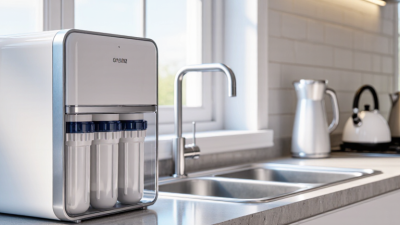
Choosing among seven home filtration formats is only half the decision. Installation determines performance, hygiene, and leak risk. Under-sink carbon systems need a correctly sized shutoff valve and enough cabinet clearance. Reverse osmosis units require a drain connection, air-gap protection, and stable water pressure. Whole-house systems need a bypass loop for service. Countertop, faucet-mounted, pitcher, and ultraviolet systems have simpler setups, but they still need clean connections and suitable incoming water.

Small leaks matter. The U.S. Environmental Protection Agency’s WaterSense program estimates household leaks waste nearly 1 trillion gallons of water annually in the United States. After installation, run several full cycles before drinking. Check the tubing, fittings, drain saddle, and floor beneath the unit. A dry paper towel can reveal a slow leak better than a quick visual check. That small test is easy to skip.

Maintenance must follow the actual filter design. The Centers for Disease Control and Prevention advises replacing filters according to manufacturer instructions, not appearance alone. Carbon cartridges may need earlier replacement in cloudy or heavily used water. Reverse osmosis membranes also require periodic performance checks. NSF standards identify different reduction claims, including NSF/ANSI 42 for aesthetic effects, 53 for specific health-related contaminants, and 58 for reverse osmosis systems. Certification helps, but it does not replace water testing. A cartridge can look clean and still be exhausted. Replacement dates should be written on the housing. I sometimes prefer an early change over guessing, though that increases cost and waste.

Build your system. Protect your boat. Join the movement.

Compare Products
Talk to Sales