2026 Top Water Purifier System for Global Buyers Best Options?
As the demand for clean drinking water increases globally, the need for reliable water purifier systems has never been more vital. According to the World Health Organization, 2 billion people lack access to safe drinking water. This alarming statistic underscores the urgency for effective purification solutions, as contaminants in water can lead to severe health issues. Industry expert Dr. Emily Carter emphasizes, "Investing in a good water purifier system is essential for ensuring water safety."
In 2026, buyers will be looking for the best options to ensure clean water in their homes and businesses. Recent industry reports suggest that the global water purifier market is projected to reach $45 billion by 2026. This growth indicates a strong interest in innovative cleaning technologies and eco-friendly solutions. However, with so many choices available, making an informed decision can be challenging.
Finding the right water purifier system requires careful consideration. It is not just about the price; effectiveness and maintenance matter too. Some products may boast advanced features but underperform in real-world conditions. Potential buyers need to research and reflect on their specific needs to avoid purchasing a system that doesn’t provide clean water efficiently.
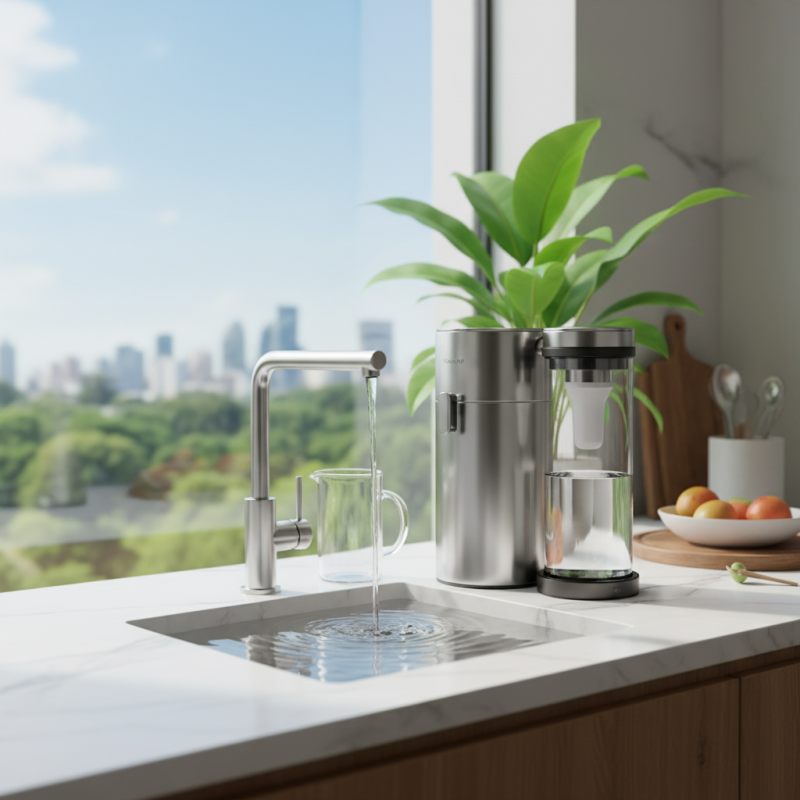
2026 Water Purifier System Overview for Global Buyers
As concerns over water quality grow, many global buyers seek reliable purification systems. In 2026, the demand for efficient water purifiers continues to rise. Many systems focus on removing contaminants, heavy metals, and harmful bacteria. This evolution reflects a growing awareness of health issues related to water quality.
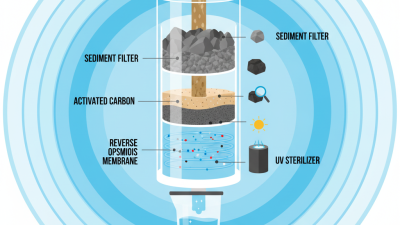
Various technologies are available to consumers. Filtration systems, reverse osmosis, and UV purifiers each offer specific benefits. Electric models typically provide more thorough purification. Gravity-based systems, however, are more sustainable and easier to maintain. While many consumers prioritize affordability, it is essential to consider overall effectiveness.
When selecting a system, potential buyers should evaluate local water quality. Identifying specific contaminants is crucial for making informed decisions. While some products display impressive specifications, real-world performance can vary. Look for third-party testing or certifications to ensure reliability. As the market matures, balancing effectiveness and affordability remains an ongoing challenge for consumers.
2026 Top Water Purifier System for Global Buyers Best Options
| System Type |
Filtration Method |
Capacity (liters/day) |
Price (USD) |
Key Features |
| Reverse Osmosis |
RO Membrane |
50 |
250 |
Removes contaminants, compact design |
| Ultraviolet |
UV Lamp |
30 |
150 |
Fast purification, no chemicals used |
| Activated Carbon |
Granular/GAC |
20 |
100 |
Affordable, improves taste and odor |
| Distillation |
Heating and Cooling |
40 |
300 |
Effective for heavy metals, slow process |
| Gravity Filter |
Ceramic/Gravity |
15 |
80 |
No electricity required, portable |
Key Features to Consider in Water Purifier Systems
When choosing a water purifier system, several key features should guide your decision. First, consider the filtration process. Advanced systems often use multi-stage filtration to remove different contaminants effectively. Look for purifiers that include reverse osmosis or UV light technologies. These methods are known for their reliability and efficiency.
Another crucial feature is the system’s capacity. A purifier should meet your household’s water needs without constant refilling or maintenance. Assess how much water you consume daily. Smaller units may serve one or two people, while larger systems are better for families.
Here are some tips:
- Check the filter replacement frequency. Frequent changes can add to your overall costs.
- Look for systems with certified performance ratings. This ensures the purifier meets safety and efficacy standards.
- Consider the design and size of the unit. It should fit well in your kitchen without being cumbersome.
Evaluating these features may require some time and research. It’s normal to feel overwhelmed by the options. Prioritize the aspects that matter most to you and your family’s health. Keep an open mind while comparing different systems to find the best fit.
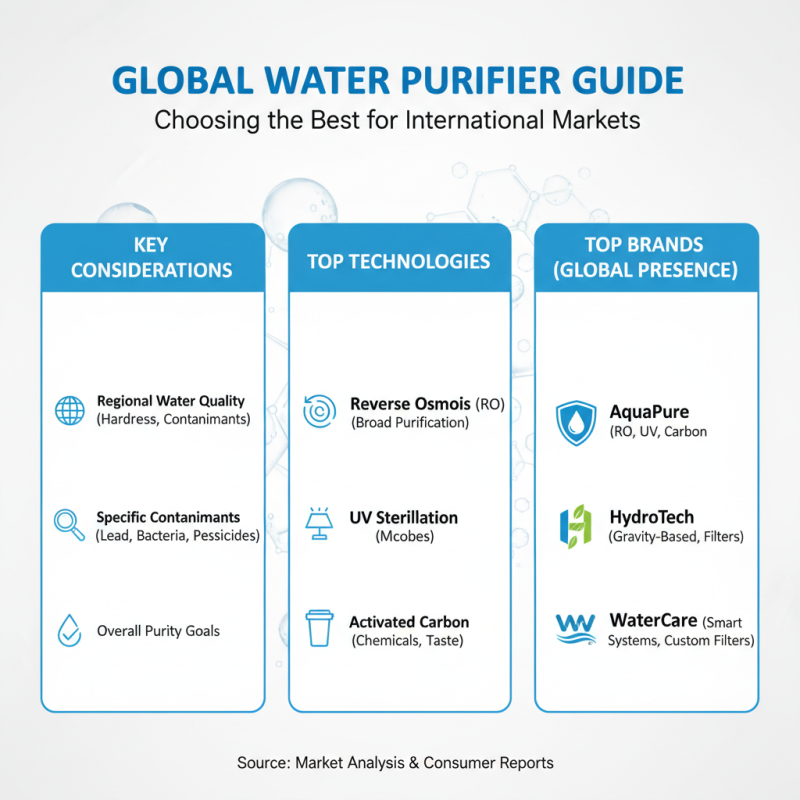
Top Water Purifier Brands for International Markets
When selecting a water purifier, global buyers face many options. The market offers various brands, each with unique features. Some systems focus on specific contaminants, while others aim for overall water quality improvement. Understanding regional needs is crucial. Water quality varies significantly across locations, impacting what tech is necessary.
One prominent trend in international markets is the demand for multi-stage filters. These systems effectively remove a wide array of pollutants. Many users appreciate compact designs, making them suitable for smaller spaces. Portability is also vital for those living in diverse environments. However, some brands may overlook user-friendly features, leaving customers frustrated.
Affordability is another key factor. Many high-end systems offer advanced technology but at a steep price. Users often question if these features justify the cost. Balancing cost with performance can lead to difficult decisions. Many consumers still desire eco-friendly options, which can further complicate choices. The right water purifier enhances health and well-being, but the perfect fit isn't always clear.
Comparison of Different Water Purification Technologies
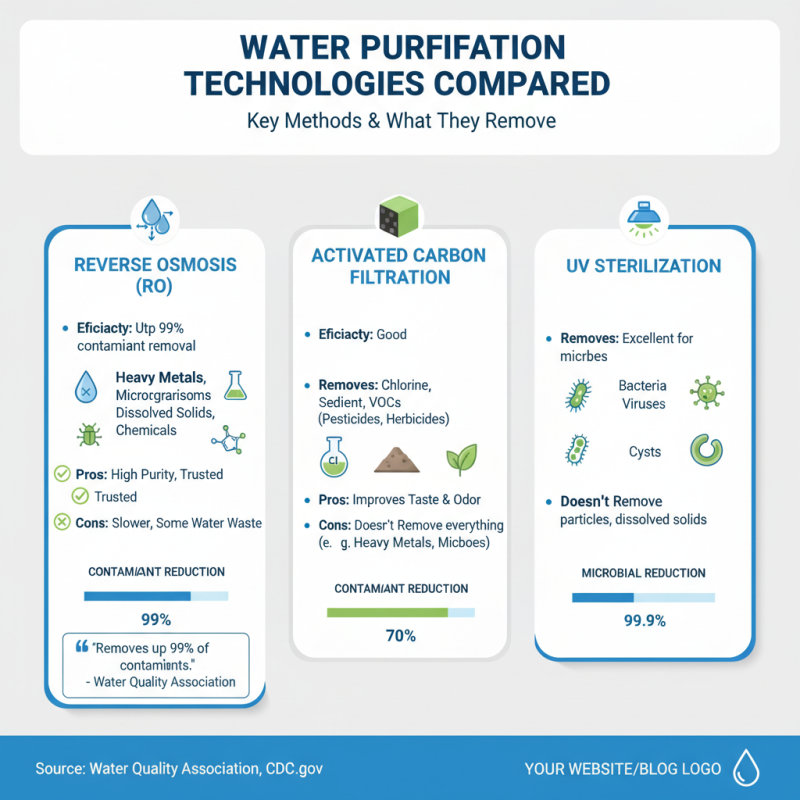
Water purification technology has seen significant advancements in recent years. Various methods, each with unique strengths and weaknesses, cater to diverse consumer needs. Reverse osmosis (RO) stands out as a highly efficient solution. According to the Water Quality Association, RO systems can remove up to 99% of contaminants, including heavy metals and microorganisms. This high efficacy makes it a preferred choice for many households.
However, RO systems also have their drawbacks. They waste about 3 gallons of water for every gallon purified, raising concerns about water conservation. Moreover, some essential minerals may be removed during the process, leading to questions about the health implications of drinking RO-purified water. In contrast, UV purification offers a chemical-free method to kill bacteria and viruses. It operates quickly, treating water in seconds, but does not remove chemical contaminants.
Activated carbon filtration provides another popular option. This method excels at improving taste and odor, effectively reducing chlorine and volatile organic compounds. Yet, activated carbon filters have limitations. They may not effectively eliminate certain pathogens and must be replaced regularly to maintain efficiency. Understanding these technologies helps consumers make informed decisions about their water purification needs. Each technology carries potential benefits and considerations that warrant thoughtful reflection.
Best Practices for Maintaining Water Purifier Efficiency
Maintaining the efficiency of your water purifier is crucial for ensuring clean and safe drinking water. Regular maintenance can prevent issues like clogging and reduced filtration effectiveness. One of the best practices is to change filters according to the manufacturer's guidelines. Over time, filters can become saturated with contaminants. This can lead to inefficient purification and possibly become a breeding ground for bacteria.
Cleaning the exterior of the purifier is equally important. Dust and grime can affect its operation. Wiping it down regularly helps maintain its functionality and appearance. Additionally, check the connections and seals for leaks. Even minor leaks can lead to significant inefficiencies over time.
Users often overlook the importance of water quality entering the purifier. High levels of sediment or impurities can wear down the system faster. Knowing the local water quality helps in adjusting maintenance routines. While many opt for DIY fixes, not all methods are effective. Some practices may even risk the integrity of the purifier. Regular professional check-ups can ensure that your system continues to work optimally.
Water Purifier System Efficiency Comparison for 2026