2026 Top Arched Outdoor Shelter for Your Needs?
Choosing the right outdoor shelter is essential for both functionality and aesthetics. Arched outdoor shelters stand out for their unique design, providing ample space and stability. Many consider these structures not just a shelter, but a way to enhance outdoor experiences.
When you decide to Use Arched Outdoor Shelter, you’re investing in durability and style. These shelters are often constructed from robust materials, ensuring they withstand harsh weather. Furthermore, their arch design allows for excellent air circulation and natural light, fostering a pleasant environment.
While there are numerous options available, not every arched shelter fits all needs. Some may find them too large for small backyards. Others may feel detoured by intricate installation processes. It’s crucial to reflect on personal requirements before making a choice. After all, the right shelter can transform your outdoor space into a personal retreat, offering both beauty and functionality.
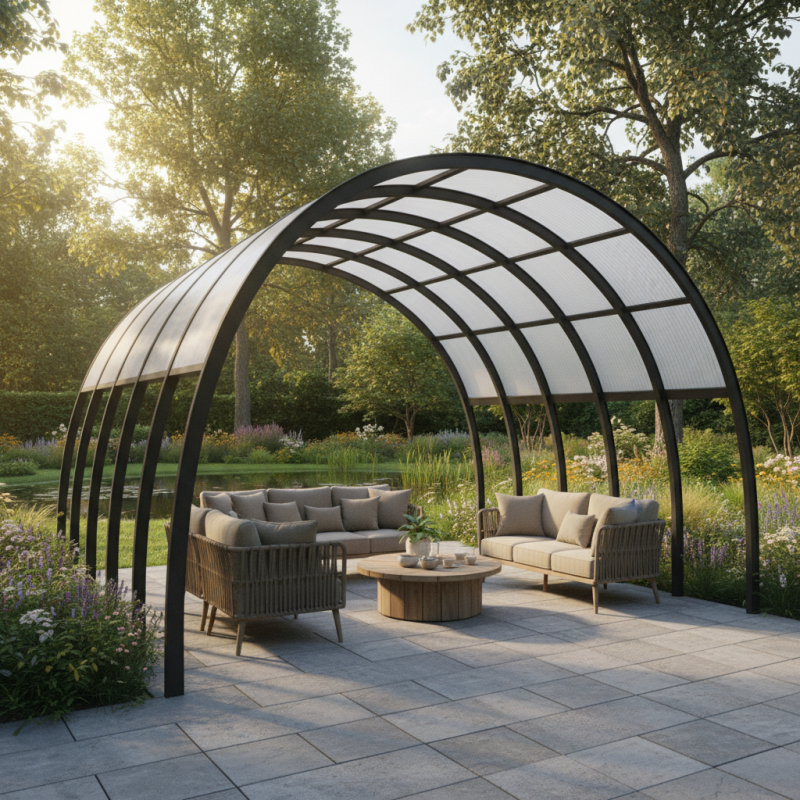
Top Features to Consider in 2026 Arched Outdoor Shelters
When considering arched outdoor shelters for 2026, several features stand out. The shape of these structures maximizes stability. They withstand winds and heavy snow better than traditional designs. This is crucial in extreme weather conditions. Height is another important factor. A spacious interior enhances comfort. It allows for versatile use, from storage to recreational activities.
Material choice is vital. Look for durable options resistant to rust and decay. High-quality fabrics or metal frames can improve longevity. Easy assembly is also essential. Some designs offer quick setups that save time and effort. Ease of transportation matters too. Portable shelters should fit comfortably in vehicles for convenience.
Ventilation is often overlooked but important. Proper airflow minimizes moisture buildup. This is particularly beneficial in humid climates. Consider customizability as well. Some shelters allow modifications, adapting them to individual needs. Each feature plays a role in ensuring satisfaction. It's easy to find a shelter that meets requirements, yet identifying personal necessities may require reflection.
Comparison of Material Durability in Outdoor Shelter Options
When considering an arched outdoor shelter, material durability is crucial. Different materials offer varied levels of resistance to the elements. For example, metal shelters are robust against wind and snow. However, they can rust over time if not properly coated. That rust can compromise structural integrity.
On the other hand, fabric-based shelters are lightweight and easy to transport. They may, however, wear out faster when exposed to UV rays. Regular maintenance is necessary to prolong their lifespan. Choosing the right material will depend on your specific needs.
Reflect on where you will place the shelter. Will it face harsh winters or intense sun? Your choice of material can significantly affect durability. It’s vital to weigh these factors. Seek advice from experts or consult with experienced users to enhance your decision-making process. Balancing durability with your unique situation is essential.
2026 Top Arched Outdoor Shelter for Your Needs
| Material | Durability (Years) | Weather Resistance | Maintenance Level | Cost Range ($) |
| Steel | 15-20 | High | Low | 1500-3000 |
| Aluminum | 10-15 | Moderate | Low | 1200-2500 |
| Canvas | 5-10 | Low | High | 500-1500 |
| Vinyl | 10-12 | Moderate | Medium | 1000-2000 |
| Wood | 10-15 | Moderate | High | 800-1800 |
Industry Insights: Best Practices for Outdoor Shelter Installation
When considering outdoor shelters, installation practices play a critical role in the overall functionality and safety. According to a 2022 industry report, improper installation can reduce shelter durability by up to 30%. This statistic highlights the importance of adhering to best practices during the setup process.
One key approach involves ensuring the base is level and secure. A sloped or unstable base can lead to structural issues over time. Experts recommend using concrete anchors for additional stability, especially in windy areas. Additionally, selecting the right materials is crucial. Using high-quality, weather-resistant materials can enhance the shelter's lifespan and performance.
Moreover, it's essential to follow local building codes and regulations. A survey showed that nearly 25% of outdoor shelter projects faced compliance issues. Projects that overlook these regulations risk costly fines and safety hazards. Engaging with professionals can bridge this gap and ensure adherence to standards. Leveraging expertise in this field can lead to a more successful installation process.
Cost Analysis: Budgeting for Arched Outdoor Shelters in 2026
When planning for arched outdoor shelters in 2026, understanding costs is essential. Industry reports estimate that the price for these structures will range from $3,000 to $10,000. This variation depends on factors like materials, size, and intended use. For instance, heavy-duty fabrics may increase durability but also raise expenses significantly.
Budgeting not only involves initial costs but also maintenance. Ongoing upkeep can add an estimated 15% to 20% to the total cost over time. It's prudent to factor in durability and weather resistance to avoid frequent repairs. Some shelters may seem affordable upfront but can result in higher expenses later on.
Investing in arched shelters is not solely about the purchase price. Some consumers might overlook hidden costs like installation and permits. Planning can significantly impact the overall budget. Assessing different options in advance helps in making informed choices, but it's important to remain realistic about both current needs and long-term expectations.
Safety Standards and Regulations for Outdoor Shelter Design
When designing an outdoor shelter, safety should always be a top priority. Safety standards provide clear guidelines to ensure the wellbeing of everyone who will use the space. These standards often include factors like winter resistance, snow load capacity, and material fire ratings. Compliance with local regulations is essential. Ignoring them can lead to accidents or legal problems.
Another important aspect to consider is accessibility. Your design should accommodate all users, including those with disabilities. This may involve features like ramps and wide entrances. Regular inspections can help identify potential hazards. Take the time to reflect on your design choices. Safety is not just about following regulations; it also involves creating a welcoming environment.
Finally, consider how weather and environmental factors affect your structure. Heavy rain, snow, or extreme temperatures can compromise safety. Using quality materials that withstand these conditions is critical. Always keep an eye on local weather patterns. These insights can influence your design decisions and enhance user safety over time.