2026 Top Water System for Home Buyers Guide
When purchasing a home, understanding the right water system for home use is crucial. Industry expert Jane Simmons, a water quality consultant, emphasizes, "A well-designed water system is vital for health and comfort." This statement underscores the importance of finding the best-suited water system for your needs.
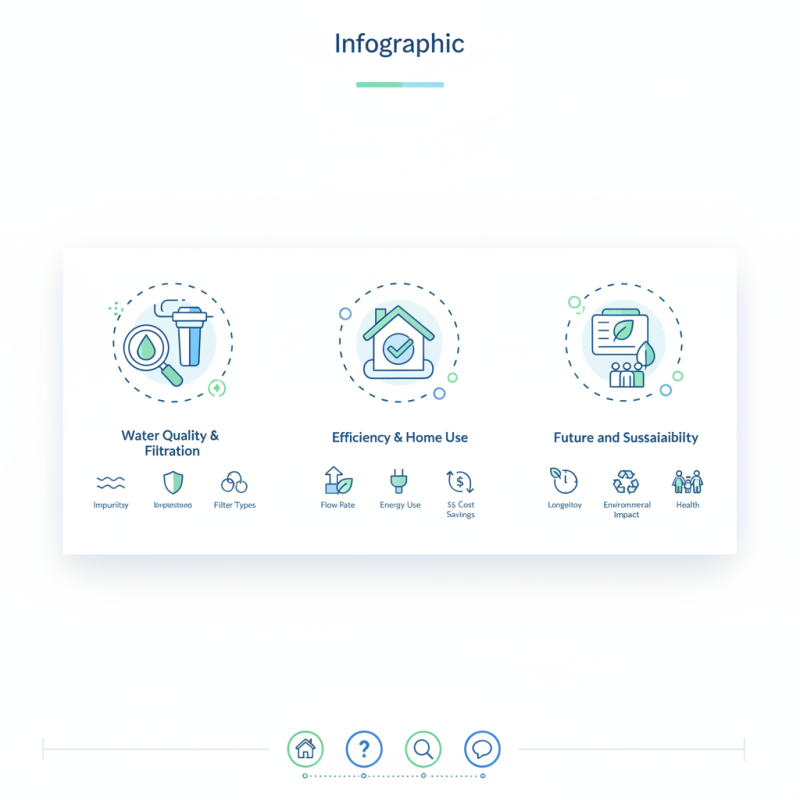
Choosing the right water system for home involves considering various factors. Water quality, filtration methods, and overall efficiency are key elements. Many buyers overlook these aspects, which can lead to future issues. For instance, an inadequate filtration system may leave contaminants in tap water, posing risks to family health.
Homeowners should reflect on their long-term goals when selecting a water system for home use. It's not just about immediate needs; it's about future reliability and sustainability. A little research can go a long way. Each home has unique requirements, and a one-size-fits-all approach seldom works. Consider your options carefully.
Overview of Home Water Systems and Their Importance
When considering a home water system, it's essential to understand its significance.
Clean water is vital for health and wellbeing. Many families overlook this aspect until issues arise.
Contaminated water can lead to serious health problems. Evaluating your water source is crucial.
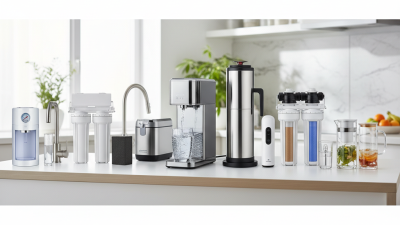
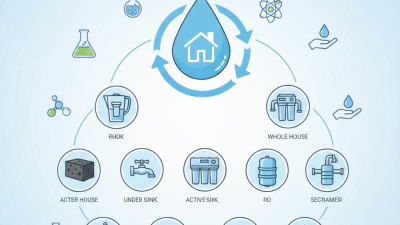
Home water systems can include filtration systems, water softeners, and whole house systems.
Each serves a unique purpose. Filtration systems remove impurities.
Water softeners help with hard water issues.
Whole house systems offer comprehensive solutions. However, choosing the right one can be challenging.
Many homeowners make mistakes in assessing their needs.
Some prioritize cost over quality. Others do not consider long-term maintenance.
This can lead to more problems down the road. Remember, investing in a reliable water system pays off in the end.
Quality water impacts everything from cooking to drinking.
Types of Water Filtration Systems for Residential Use
When considering water filtration systems for your home, it's crucial to understand the different types available. Each system has unique features. For example, activated carbon filters are popular for their ability to remove chlorine and improve taste. They are easy to install and maintain, making them ideal for many households. However, they may not address all contaminants effectively.
Reverse osmosis systems are another choice. They push water through a semi-permeable membrane, removing impurities and providing clean drinking water. This method is beneficial for those concerned about heavy metals and chemicals. Yet, it can be slow and waste a significant amount of water, which is a drawback to consider.
UV water purifiers use ultraviolet light to kill bacteria and viruses. These systems are effective and require minimal maintenance. Still, they do not remove chemical contaminants and may not suit all households. Selecting a water filtration system involves weighing the benefits against the limitations. Reflecting on your specific needs is essential for making the right choice.
2026 Top Water System for Home Buyers Guide - Types of Water Filtration Systems for Residential Use
| Type of Filtration System |
Advantages |
Disadvantages |
Estimated Cost |
| Activated Carbon Filter |
Reduces chlorine, improves taste and odor |
Does not remove all contaminants |
$20 - $200 |
| Reverse Osmosis System |
Highly effective at removing contaminants |
Waste water during the process |
$200 - $500 |
| Ultraviolet (UV) Purification |
Destroys bacteria and viruses |
Does not remove chemicals |
$150 - $300 |
| Water Softener |
Reduces hardness minerals |
Requires salt replacement |
$400 - $1500 |
| Pitcher Filter |
Inexpensive and portable |
Limited contaminant removal |
$20 - $50 |
Key Features to Look for in a Home Water System
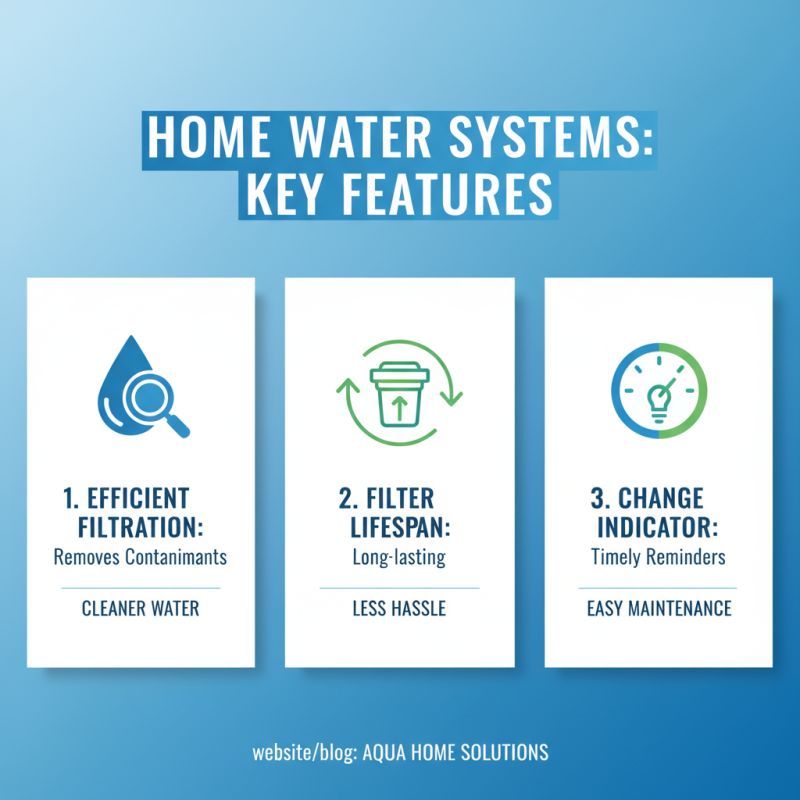
When choosing a home water system, key features play a vital role. Look for a filtration system that efficiently removes contaminants. High-quality filters guarantee cleaner water. Pay attention to the lifespan of the filter. Replacing it too often can be annoying. Some systems offer indicators for when a change is needed.
Consider the system's flow rate. You want enough pressure during daily tasks. A slow system can be frustrating. Think about convenience features too. Automatic shut-off or ease of installation can save you time and stress. Moreover, analyze your water usage. If you have a large family, you may need a more robust system.
Additional features can enhance your experience. Look into systems that offer remineralization. This process can improve taste and health benefits. However, be aware that more features can increase overall costs. Balancing price with functionality is essential. Reflect on your specific needs, and take your time making a decision. Sometimes, less is more; simplicity can be an asset.
Comparing Costs and Long-Term Benefits of Various Water Systems
When choosing a water system for your home, cost and long-term benefits matter. Many options are available, each with unique features. For example, traditional well systems can provide endless water but often require maintenance. On the other hand, municipal supplies are convenient, yet monthly fees add up.
Consider installation costs versus ongoing expenses. Some systems may cost more upfront but save you in the long run with lower utility bills. Affordable options can sometimes hide higher maintenance costs, leading to unexpected spending.
Tips: Always assess your household's water usage. It's smart to compare different systems and calculate their long-term impact. Ask homeowners about their experiences. Everyone’s needs are different, so what works for one may not work for another. Don't rush; a hasty decision might lead to regrets later.
Installation and Maintenance Tips for Home Water Systems
Maintaining a home water system requires attention and effort. Regular checks can help prevent costly repairs. According to recent industry studies, over 50% of homeowners neglect regular maintenance, leading to reduced system efficiency. Simple tasks, such as changing filters every three to six months, can significantly enhance water quality.
Installation also plays a crucial role in system longevity. Proper placement and connections minimize issues down the line. Reports suggest that poorly installed systems can lead to almost 40% more maintenance calls. This spike can be avoided with a focus on quality installation practices.
Homeowners often underestimate the significance of water testing. Testing reveals contaminants that impact health. Surprisingly, around 30% of households don’t conduct any form of water testing upon installation. Regular testing helps identify issues early, ensuring safe and clean water for your family. Without it, you risk long-term health consequences.
2026 Top Water System for Home Buyers Guide
This chart represents the average maintenance cost (in USD) and installation time (in hours) for different types of water systems suitable for home use in 2026. It helps prospective home buyers to understand the investment involved in maintaining and installing each system.