2026 Best Office Visitor Chair for Global Buyers?

Choosing the 2026 Best Office Visitor Chair for Global Buyers requires more than attractive photographs and a low quoted price. A reliable Office Visitor Chair should support short meetings, reception areas, training rooms, and daily guest traffic. Comfort matters immediately. So does durability.

In practical office evaluations, visitors often notice the seat before the brand name. A stable frame, breathable upholstery, and a supportive back can improve their first impression. Check the chair’s seat height, usable width, weight capacity, and floor clearance. Small details matter. Rounded edges reduce awkward contact, while non-marking feet protect polished floors.

Global buyers also need clear evidence, not vague promises. Ask suppliers for material specifications, load testing, quality-control records, packaging details, and warranty terms. Confirm whether replacement parts are available after delivery. Regional requirements may differ, so local compliance checks remain essential. An experienced manufacturer should explain these differences plainly.

No single design fits every workplace. A lightweight guest chair may suit a flexible workspace but feel less substantial in an executive reception room. A padded model may feel welcoming, yet require more careful cleaning. This is where judgment becomes important. The best choice balances comfort, appearance, maintenance, shipping efficiency, and long-term value.

Some product pages still hide useful information. That deserves scrutiny. Buyers should request samples, inspect stitching and welds, and test chairs on the actual flooring. Supplier communication also reveals reliability. Prompt answers help, but documented answers matter more. With careful comparison, this guide helps international purchasers identify an Office Visitor Chair that performs credibly across real business environments.
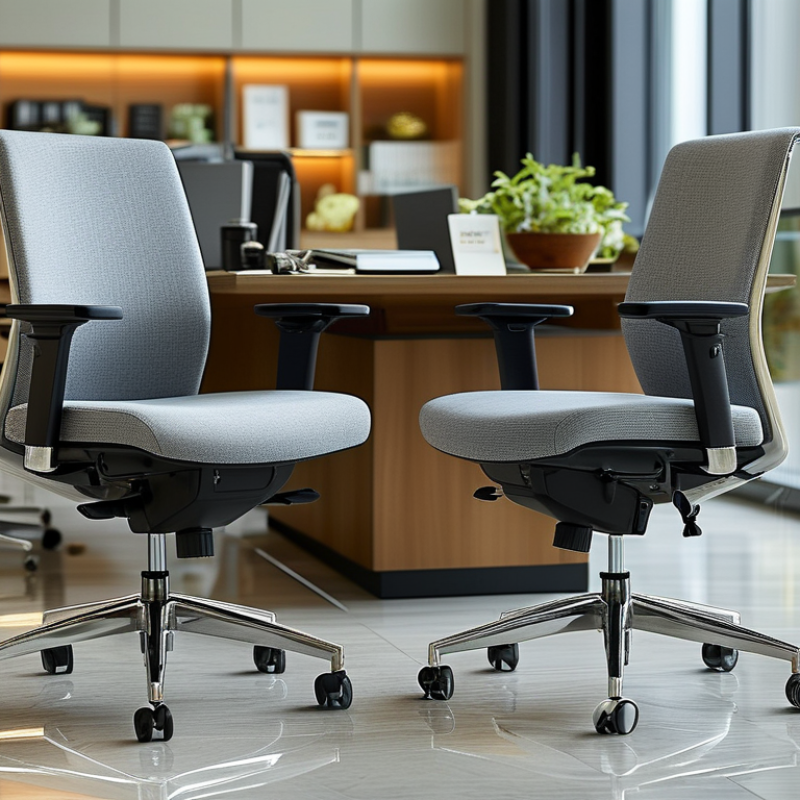
2026 Best Office Visitor Chair for Global Buyers?

What Defines a High-Quality Office Visitor Chair in 2026?

A high-quality office visitor chair in 2026 should support short meetings without feeling temporary or uncomfortable. The World Health Organization’s 2022 report estimates that 1.71 billion people live with musculoskeletal conditions worldwide. That figure makes basic ergonomic support more than a premium feature. A visitor chair should provide stable lumbar contact, a gently rounded seat edge, and enough seat width for different body types. Seat height also matters, especially when visitors use desks designed for varied users.

Comfort must survive daily traffic. ANSI/BIFMA public seating tests evaluate strength, stability, and durability under repeated loading. Global buyers should request test documentation, load ratings, and material specifications.

A four-leg frame should resist rocking on uneven floors. Glides should be replaceable. The chair should remain steady when someone sits from the side.

Not every thick cushion is a quality sign. Sometimes, it only hides weak foam. High-resilience foam, breathable upholstery, and cleanable surfaces are more practical for reception areas. I have also found that overly heavy chairs slow room changes. That premium impression can become a handling problem.

Responsible sourcing deserves equal attention. Buyers should check emissions data, recycled content claims, repair options, and packaging volume. Certifications help, but they still require verification. A reliable supplier provides clear test dates, material records, and after-sales parts support. Satin finishes look attractive, yet fingerprints and scratches may expose poor maintenance planning.

Office Visitor Chair Types and Their Best Use Cases

2026 Best Office Visitor Chair for Global Buyers?

Office Visitor Chair Types and Their Best Use Cases

A visitor chair should match the meeting, not merely fill empty space. A four-leg chair suits reception areas, interview rooms, and training spaces. It stays stable on firm floors and is easy to move between tables. Stackable models help offices with changing layouts. Ten chairs can become a clear meeting room in minutes. That sounds simple, but stacking height and lifting weight deserve careful checking.

A sled-base chair works well in informal lounges and short client meetings. Its continuous frame feels steady and slides smoothly across many floors. For longer discussions, choose a padded chair with supportive back shaping. A cantilever chair can look lighter and allow easy cleaning beneath the seat. It may feel less stable on uneven flooring, though. In warmer regions, breathable fabric can prevent discomfort during a thirty-minute wait. In humid spaces, tightly woven or moisture-resistant materials deserve attention.

I once judged chairs by appearance first. That was a poor buying habit. Seat height, arm clearance, carton size, and replacement parts often matter more. Global buyers should request tested load data, material details, and care instructions. They should also verify applicable safety requirements in the destination market. A visitor chair that fits a showroom may fail in a narrow elevator or a dusty reception area. Small details become expensive problems.

2026 Best Office Visitor Chair for Global Buyers? - Office Visitor Chair Types and Their Best Use Cases

Chair Type Best Use Cases Typical Seat Height Typical Weight Capacity Key Features Space and Storage Profile Main Advantages Potential Limitations Buyer Priority
Four-Leg Visitor Chair Reception areas, meeting rooms, interview rooms, training spaces and general guest seating 430–480 mm
16.9–18.9 in
100–150 kg
220–330 lb
Stable four-point base, upholstered or molded seat, optional arms and protective glides Usually stackable 3–6 chairs, depending on frame and upholstery Reliable, familiar design; easy to specify; suitable for frequent guest turnover Can occupy more floor space than nesting or sled-base models Check frame strength, floor protection, stacking height and cleaning requirements
Sled-Base Visitor Chair Executive reception areas, waiting lounges, conference rooms and premium client-facing spaces 430–480 mm
16.9–18.9 in
100–150 kg
220–330 lb
Continuous steel base, balanced support, often fully upholstered with a polished appearance Often stackable 2–4 chairs; requires suitable floor clearance for the runners Stable and visually refined; runners distribute load across the floor Heavier to move; runners may mark delicate floors if glides wear out Confirm glide material, corrosion protection and upholstery durability
Cantilever Visitor Chair Contemporary reception areas, consulting rooms and short-to-medium meetings 440–480 mm
17.3–18.9 in
100–130 kg
220–287 lb
Single-piece steel side frame with controlled flex, padded seat and back Generally not designed for high stacking; nests only when specifically engineered Comfortable movement and modern appearance with fewer visible legs Less suitable for rough handling or intensive storage cycles Review fatigue testing, frame construction and maximum recommended use
Nesting Visitor Chair Training rooms, flexible offices, seminar rooms and multipurpose meeting spaces 430–480 mm
16.9–18.9 in
100–150 kg
220–330 lb
Flip-up seat, casters or rear wheels, linking options and compact nesting geometry Typically nests 5–10 chairs, depending on model and accessories Fast room reconfiguration; efficient use of storage space Moving parts may require more maintenance; often costs more than basic four-leg chairs Check caster quality, nesting depth, replacement parts and storage trolley compatibility
Tablet-Arm Visitor Chair Short training sessions, examination rooms, workshops and compact learning areas 430–480 mm
16.9–18.9 in
100–130 kg
220–287 lb
Integrated writing tablet, book basket or storage shelf, compact footprint Usually arranged in rows; stacking depends on tablet design Provides a work surface without a separate desk Limited writing space; less suitable for long sessions or users needing generous elbow room Verify tablet handedness, usable surface size, load rating and accessibility clearance
Ergonomic Task-Visitor Chair Long interviews, collaborative work, hot-desking and visitor seating at workstations 400–520 mm
15.7–20.5 in
120–150 kg
265–330 lb
Seat-height adjustment, lumbar support, casters, five-star base and optional armrests Not normally stackable; needs a clear zone for movement and adjustment Best support for extended sitting and varied user heights Higher purchase cost, larger footprint and more components to maintain Prioritize adjustability range, seat depth, warranty terms and safety testing
Beam-Mounted Visitor Chair Transport hubs, healthcare waiting areas, public reception zones and high-traffic facilities 420–480 mm
16.5–18.9 in
100–150 kg per seat
220–330 lb
Seats fixed to a shared metal beam, optional tables, arms and intermediate supports Excellent floor efficiency; not intended for frequent rearrangement Reduces chair movement and simplifies alignment in fixed waiting areas Less flexible; installation and replacement may require more planning Check anchoring, beam length, cleaning access and accessibility configuration
Outdoor-Capable Visitor Chair Covered terraces, campus reception areas, hospitality waiting zones and semi-outdoor offices 430–480 mm
16.9–18.9 in
100–150 kg
220–330 lb
UV-resistant polymer or coated metal, drainage openings and corrosion-resistant hardware Often stackable 4–8 chairs; storage under cover is still recommended Resists occasional moisture and is generally easy to clean May offer less padding and warmth than indoor upholstered chairs Confirm UV exposure rating, drainage design, corrosion class and local weather conditions

Note: Dimensions and load capacities are typical purchasing ranges for commercial visitor chairs. Actual specifications vary by construction, testing method, configuration and applicable regional standards.

Essential Features for Comfort, Safety, and Accessibility

For global buyers, the best office visitor chair in 2026 should make comfort visible within minutes. A supportive backrest should follow the spine without forcing one posture. Moderate seat padding helps during short meetings and longer waiting periods. Rounded edges reduce pressure behind the knees. A stable five-point base or reinforced four-leg frame can reduce unwanted movement. Test the chair on hard floors, carpets, and uneven surfaces before ordering large quantities.

Safety needs practical inspection, not attractive specifications alone. Check weight capacity, frame joints, fasteners, and surface finishes. Materials should resist cracking, peeling, and difficult cleaning routines. Breathable upholstery can prevent heat buildup in warm offices. Accessibility also deserves careful attention. Leave clear approach space beside the chair. Choose a seat height that supports easy sitting and standing. Contrast between the chair and floor may help visitors with limited vision. Some users will still need armrests, while others may find them restrictive. One design cannot suit everyone.

Tips: Ask suppliers for load-test details, replacement-part availability, and cleaning instructions. Request samples before confirming a full shipment. Measure doorways, lifts, and meeting-room layouts. Review regional safety and accessibility requirements with a qualified local professional. Do not judge comfort from photographs. I once underestimated seat depth during a purchasing review; several shorter visitors struggled to sit comfortably. Small measurements matter.

These metric benchmarks are converted from the ADA 2010 Standards for accessible routes, clear floor space, turning space, and knee clearance. They help global buyers evaluate the space around an office visitor chair for comfort, safety, and wheelchair accessibility. Chair comfort and structural safety should also be verified through applicable regional testing standards.

Reference: U.S. Department of Justice, 2010 ADA Standards for Accessible Design.

Materials, Sustainability, and Global Compliance Standards

A strong office visitor chair starts with materials that can survive real daily use. In reception areas, chair legs meet hard floors, bags scrape upholstery, and visitors often sit without adjusting their posture. Powder-coated steel frames resist ordinary wear. Molded polypropylene shells are lightweight and easier to clean. Certified timber can add warmth, but buyers should request chain-of-custody evidence, not attractive claims.

Sustainability needs measurable details. Ask for recycled content percentages, material breakdowns, repair options, and packaging data. A chair designed with replaceable glides or seat covers may remain useful longer. Low-emission adhesives and water-based finishes can support healthier interiors. However, recycled material is not automatically better in every application. Poor durability creates earlier replacement waste. No chair is perfectly sustainable.

Global compliance also requires careful documentation. For commercial seating, buyers may review EN 1335 requirements, ANSI/BIFMA performance tests, or equivalent regional standards. These references do not always replace local rules. Chemical declarations should address applicable restrictions, including substances covered by REACH or similar frameworks. Fire performance may depend on the destination market and upholstery specification. Request current test reports, certificates, factory quality records, and traceable component lists. I have seen product sheets sound precise while omitting test dates. That is a warning. A reliable supplier should explain limitations clearly, including where one configuration has not been tested.

How Global Buyers Can Compare Suppliers, Costs, and Delivery Terms

2026 Best Office Visitor Chair for Global Buyers?

Global buyers should compare more than a chair’s listed price. During procurement projects, I check frame material, foam density, fabric performance, weight capacity, and cleaning requirements. A low-cost chair may need stronger packaging for long-distance shipping. That difference can erase the initial saving.

Request the same quotation format from every supplier. Include unit price, minimum order quantity, sample charges, tooling fees, spare parts, and export packaging. Ask whether prices include delivery to the port or the final warehouse. Calculate the landed cost, not only the factory price. It is easy to miss small fees.

Delivery terms need careful review. Confirm production time, inspection timing, shipping method, and estimated transit range. Ask for a written response to delays, shortages, or damaged cartons. Trade terms should match your team’s experience and risk tolerance. Do not choose complicated terms only because they appear cheaper.

Check supplier reliability through recent production photos, material samples, test reports, and customer references where available. A video call can reveal storage conditions and quality-control habits. Still, evidence is not certainty. My own early comparisons focused too heavily on price and overlooked carton strength. That mistake changed the final cost. Buyers should also order a pre-production sample and test its stability, stitching, comfort, and appearance under real office use. Small details matter.

Build your system. Protect your boat. Join the movement.

Compare Products
Talk to Sales