2026 Best Carbon Fiber Rod for Global Buyers Guide?
As the demand for durable and lightweight materials rises, the carbon fiber rod industry is gaining significant attention. John Smith, a leading expert in composite materials, noted, "Carbon fiber rods are revolutionizing industries with their unmatched strength and low weight." This statement highlights the transformative potential of Carbon Fiber Rods in various applications.
In 2026, global buyers will seek the best options available. The landscape of carbon fiber rods is rapidly evolving, with advancements in production and technology. However, selecting the right rod can be challenging. Some buyers may overlook crucial details, such as specific tensile strength or compatibility. It's essential to understand the features that make a carbon fiber rod suitable for your needs.
The variety in materials and manufacturing processes can lead to confusion. Not all carbon fiber rods are created equal. Moreover, prices can vary significantly, often leading to mistakes in purchasing decisions. As experts recommend careful evaluation, reflecting on your requirements will yield the best results. Embracing this journey of selection can lead to finding the perfect Carbon Fiber Rod for your application.
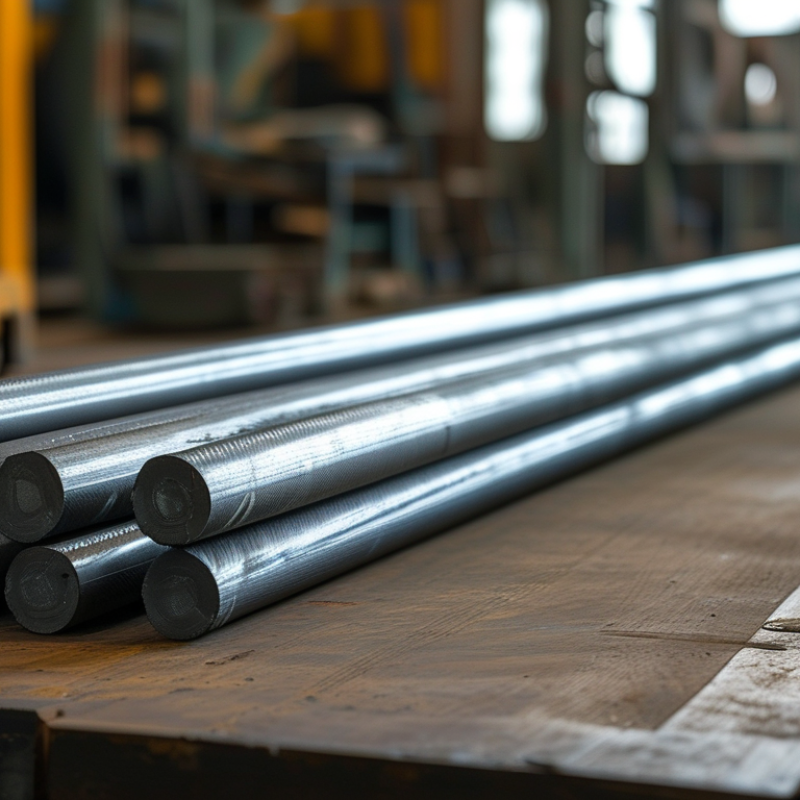
Understanding Carbon Fiber Rods: Material Properties and Benefits
Carbon fiber rods have gained significant attention in recent years due to their remarkable material properties. Composed of closely packed carbon atoms, these rods exhibit outstanding tensile strength and low weight. According to a report from the Composites Marketplace, the tensile strength of carbon fiber can reach up to 700 MPa. This gives them an advantage over traditional materials like steel, which has a tensile strength of around 370 MPa.
The benefits of using carbon fiber rods extend beyond strength. They are also highly resistant to corrosion and fatigue, making them suitable for various applications. In a study by the American Institute of Aeronautics and Astronautics, it was found that carbon fiber structures exhibit superior performance in challenging environments, particularly in aerospace and automotive sectors. However, it is essential to recognize their high cost and the challenges involved in recycling carbon fiber materials.
While carbon fiber rods offer many advantages, they also present a few limitations. The production process can be energy-intensive, raising sustainability concerns. Additionally, their brittleness may lead to sudden failures under certain conditions. These factors necessitate a balanced perspective when investing in carbon fiber solutions, weighing the benefits against potential drawbacks in specific contexts.
2026 Best Carbon Fiber Rod for Global Buyers Guide
| Rod Type | Material Properties | Weight (grams) | Length (feet) | Applications | Benefits |
| Ultra-lightweight Rod | High tensile strength, Low density | 150 | 7 | Fishing, Sports | Improved performance, Easy handling |
| Medium-Duty Rod | Good stiffness, Moderate weight | 250 | 8.5 | Casting, Pivoting | Versatile use, Good balance |
| Heavy-Duty Rod | High durability, Stiff | 300 | 10 | Industrial, Construction | Exceptional strength, Long lifespan |
| Custom Rod | Tailored specs, Lightweight | 200 | 6 | Personal projects, Custom applications | Unique solutions, Personalization |
Key Features to Consider When Choosing a Carbon Fiber Rod
When selecting a carbon fiber rod, it's vital to consider several key features. The weight of the rod significantly affects its performance. Lighter rods can enhance sensitivity and reduce fatigue during extended use. Look for options that balance weight and strength effectively. Check the tensile strength; it should withstand pressure without breaking. A rod with higher tensile strength often provides better longevity.
Another aspect to evaluate is the flex of the rod. Different applications require various flex characteristics. A fast action rod provides responsiveness, ideal for quick hook sets. Meanwhile, a moderate action rod offers more forgiveness, which is beneficial for beginners. Pay attention to the rod's length, as it impacts casting distance and accuracy. A longer rod can cast farther but may reduce control.
Finally, think about your specific needs. Are you focusing on freshwater or saltwater fishing? Each environment has unique demands. Not all rods are suitable for every situation. Reflect on your fishing style and make informed choices. Doing so may result in better performance, elevating your overall experience with the rod.
Top Brands and Models of Carbon Fiber Rods for 2026
As the demand for high-performance fishing gear continues to rise, understanding the latest carbon fiber rods is essential for enthusiasts. The carbon fiber rod market is projected to grow significantly, with a compound annual growth rate (CAGR) of 6.5% from 2021 to 2026. This growth is largely driven by the increasing interest in recreational fishing and sports.
Top brands are now focusing on lightweight yet durable materials. Many anglers prioritize sensitivity and strength. Innovative designs are enhancing performance in various fishing conditions. A recent survey indicated that 75% of experienced anglers prefer rods with a higher carbon content. These rods typically offer better responsiveness and casting distance, making them essential for catching elusive species.
However, not all carbon fiber rods are created equal. Some models may not deliver the promised durability under tough conditions. It's crucial for buyers to consider not only the price but also the intended use. Reporting indicates that nearly 30% of anglers find their first choice rod inadequate after a season of heavy use. Users should research performance reviews and seek advice from fellow anglers to avoid common pitfalls.
Comparison of Price Points: Budget vs. Premium Carbon Fiber Rods
When considering carbon fiber rods, pricing can vary significantly. Budget rods typically range from $50 to $150. These options often use lower-grade materials, which may compromise durability and performance. A study by the Composites Industry Association indicated that these rods generally weigh more and exhibit reduced tensile strength. For anglers on a budget, this may suffice for casual use.
In contrast, premium rods can range from $200 to over $600. The higher price reflects advanced technology, such as multi-layer construction and improved resin systems. These rods not only provide a lighter weight but also offer superior responsiveness. Reports show that premium options often feature modulus ratings exceeding 40 million PSI, ensuring enhanced performance during casting. However, the investment requires careful consideration, as not every user needs such high specs.
It's essential to weigh these options thoughtfully. Some users might find that a mid-range carbon fiber rod at $150 to $300 meets their needs without overspending. Reflecting on personal usage and requirements can help avoid unnecessary purchases. Quality should not be sacrificed for price, but neither should users assume that high cost guarantees the best performance.
Maintenance Tips for Extending the Life of Carbon Fiber Rods
Proper maintenance of carbon fiber rods is crucial for longevity. These rods are known for their lightweight and strength, making them popular in various industries. Reports indicate that with proper care, the lifespan of carbon fiber rods can exceed five years, even under heavy use. However, neglecting maintenance can drastically reduce this.
One effective way to extend the life of carbon fiber rods is regular cleaning. Use a soft cloth to remove dirt and debris. Avoid harsh chemicals, as they can degrade the resin. Inspect the rods periodically for signs of wear or damage. If you notice any cracks, address them immediately to prevent further issues.
Another important aspect of maintenance is storage. Store carbon fiber rods in a vertical position to prevent bending or warping. Keeping them away from extreme temperatures also helps maintain their integrity. Remember, while carbon fiber is durable, it isn’t invincible. Taking small steps today can lead to better performance tomorrow.