What is a 1 Pole Circuit Breaker and how does it work?
In the world of electrical systems, a 1 Pole Circuit Breaker is essential. It serves as a safeguard for single-phase electrical circuits. According to the National Electrical Manufacturers Association (NEMA), circuit breakers like these account for a significant proportion of the electrical safety devices installed across residential and commercial buildings.
The function of a 1 Pole Circuit Breaker is straightforward. It disconnects the electrical flow during an overload or short circuit, preventing damage or fire hazards. Data from the National Fire Protection Association shows that electrical failures are a leading cause of home fires. Thus, understanding how a 1 Pole Circuit Breaker operates is vital for both safety and efficiency.
However, even with advanced technology, these devices are not infallible. Users must remain vigilant. Regular maintenance and proper installation are often overlooked. A failure to do this can lead to dangerous situations. This imbalance between technology and user responsibility raises questions worth pondering. Are we doing enough to ensure safety?
Definition of a 1 Pole Circuit Breaker
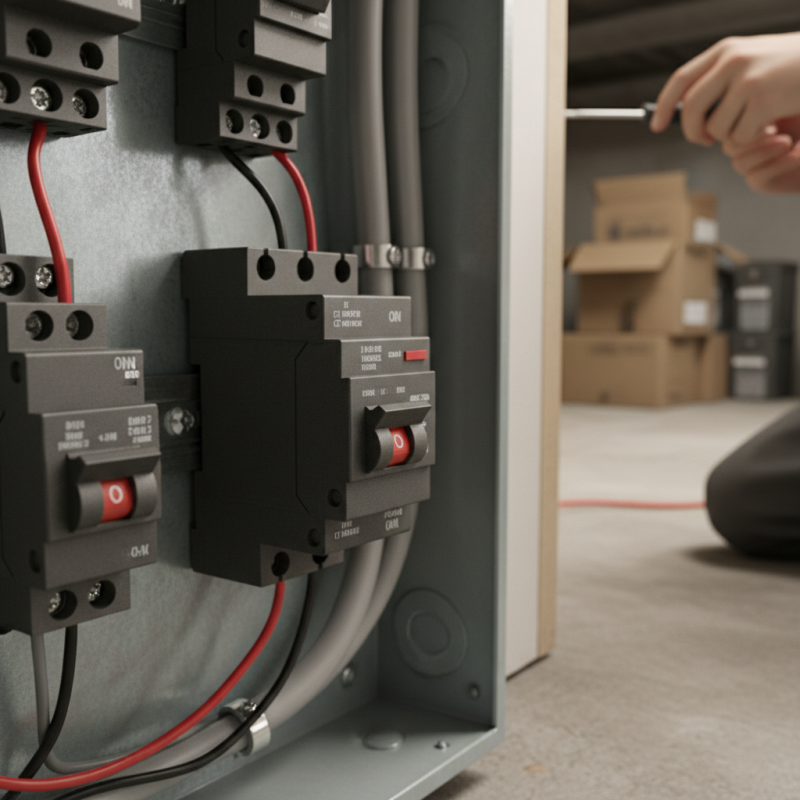
A 1 pole circuit breaker is a crucial device in electrical systems. It protects circuits from overloads and short circuits. This protection is essential in preventing electrical fires and equipment damage. The "1 pole" means it connects to one live wire, making it suitable for single-phase applications.
When current exceeds safe levels, the breaker trips. It interrupts the flow of electricity almost instantly. Users can manually reset it, making repairs easier. While it’s efficient, it may not be enough for larger systems. In those cases, multiple pole breakers are required. Understanding the limitations of a 1 pole breaker is essential. Its simplicity can be both an advantage and a disadvantage.
Many households rely on 1 pole breakers for their lighting and low-power appliances. Still, users must remain cautious. Over-reliance on these breakers can lead to risks. Regular inspections are vital to ensuring safety and functionality. It's interesting to notice how something so small plays a big role in our safety.
Components of a 1 Pole Circuit Breaker
A 1 pole circuit breaker is essential for residential and commercial electrical systems. It protects circuits from overloads and short circuits. The main components include a switch mechanism, contacts, and a trip unit. Understanding these parts can help in troubleshooting.
The switch mechanism is the actuator. It opens or closes the circuit. When excess current flows, the trip unit activates. This component is crucial for safety. It senses current levels and determines if they are too high. The contacts ensure a secure connection. They are designed to tolerate high currents without burning out.
Despite their effectiveness, circuit breakers can fail. Dust buildup may obstruct the mechanism. Old components can wear out. Regular maintenance is often overlooked. This leads to unsafe conditions. Understanding these components fosters informed decisions about electrical safety.
How a 1 Pole Circuit Breaker Operates
A 1 pole circuit breaker is a crucial component in electrical systems. It protects circuits from overloads and short circuits. Typically used in residential applications, it disconnects power when it senses an overload. This prevents potential fires and equipment damage.
When overload occurs, the circuit breaker uses a bimetallic strip. This strip heats up and bends, triggering the mechanism to open the circuit. Reports show that over 60% of electrical fires result from overloaded circuits. Proper use of circuit breakers can significantly reduce these risks.
Installation is straightforward. A single breaker generally handles a 15 or 20 amp load. However, incorrect sizing can lead to nuisance tripping or inadequate protection. Regular inspection is vital. Sometimes, users overlook small signs of wear. This can lead to unexpected failures, emphasizing the need for vigilance in electrical maintenance.
What is a 1 Pole Circuit Breaker and how does it work?
| Feature | Description |
| Number of Poles | 1 |
| Function | Interrupts the electrical circuit in case of overload or short circuit |
| Typical Usage | Used in residential lighting and receptacle circuits |
| Rated Current | 15A, 20A, 30A, up to 50A |
| Tripping Mechanism | Thermal and magnetic mechanisms |
| Voltage Rating | 120V, 240V or 480V |
| Installation Type | Surface mount or panel mount |
| Safety Feature | Provides protection from electrical fires and shocks |
Applications and Uses of 1 Pole Circuit Breakers
1 Pole Circuit Breakers are essential in various applications, mainly residential and commercial settings. They protect electrical circuits from overloads and short circuits. By disconnecting the circuit when necessary, they prevent potential hazards. These breakers are often used for lighting circuits and other general-purpose loads.
In homes, 1 Pole Circuit Breakers are common in breaker panels. They manage the power supply to lights and outlets. Occasionally, homeowners forget to check their circuit protection. Regular inspections can help avoid future issues. In commercial properties, these breakers ensure safety and efficiency in everyday operations. They are reliable, but they do have limitations.
Using 1 Pole Circuit Breakers can lead to valuable lessons. Sometimes, they may trip unexpectedly due to surges. This can be frustrating for users. Understanding their function is important. Proper installation and maintenance are crucial for effectiveness. The need for awareness in using these devices cannot be overstated. They are simple yet significant components in our electrical systems.
Applications and Uses of 1 Pole Circuit Breakers
This chart illustrates the various applications and uses of 1 Pole Circuit Breakers across different sectors. The data reflects the percentage of usage in various applications such as residential, commercial, industrial, and outdoor installations.
Safety Considerations with 1 Pole Circuit Breakers
When using a 1 pole circuit breaker, safety is paramount. This device controls the flow of electricity in a single circuit. A faulty breaker may not trip as intended, leading to potential hazards. Always ensure that circuit breakers are correctly rated for the circuit's load. An incorrect rating can result in overheating or even fire.
Regular inspections are essential for any electrical system. Signs of wear, such as discoloration or flickering lights, should be taken seriously. This could indicate a problem with the breaker. Many overlook simple checks. Regularly test the breaker to verify its functionality.
Educating yourself on how these breakers operate can help prevent accidents. A well-maintained circuit breaker can be your first line of defense. Remember, safety should never be compromised. Your home deserves attention to detail in electrical maintenance. While it may seem like a simple task, vigilance can save lives.